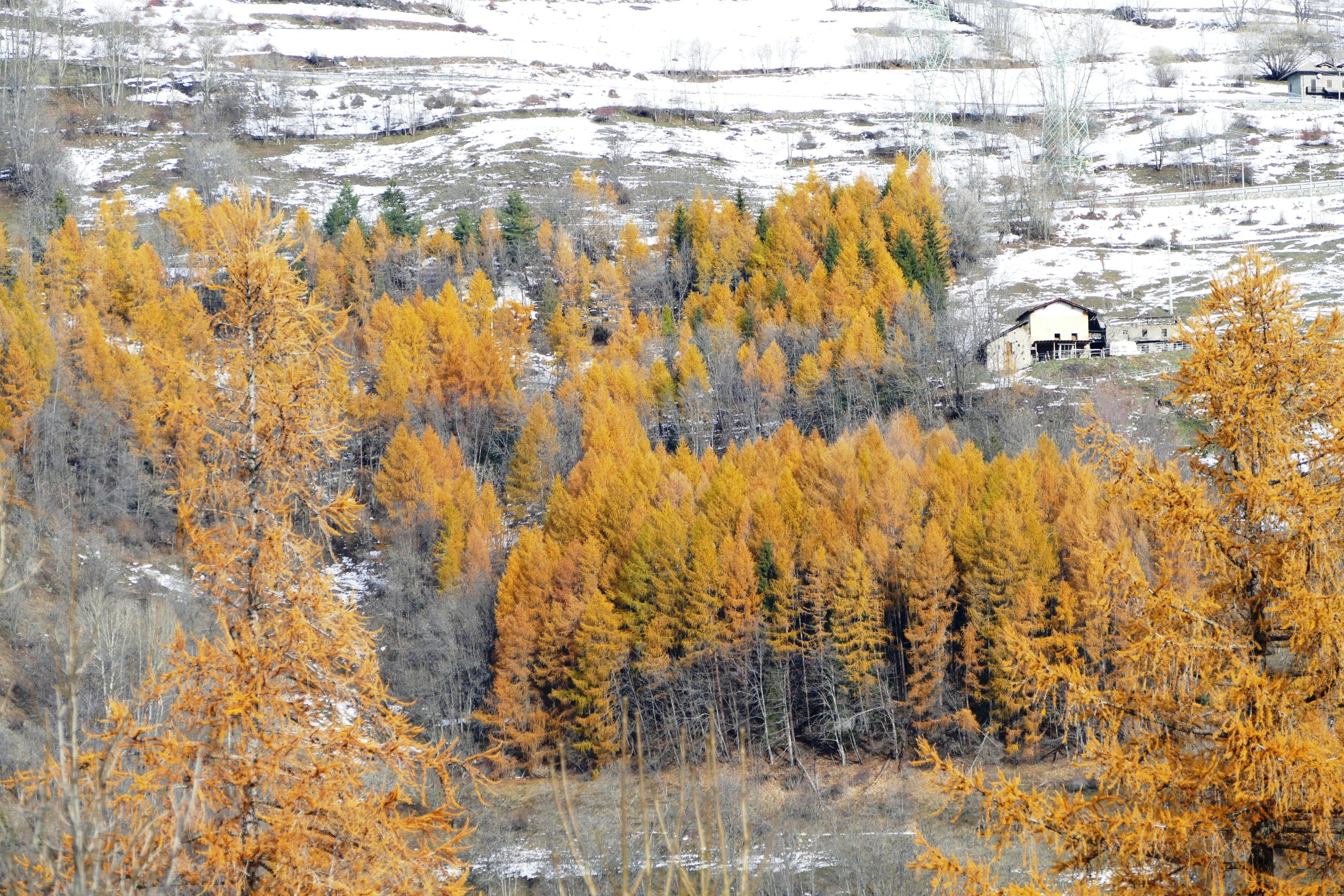
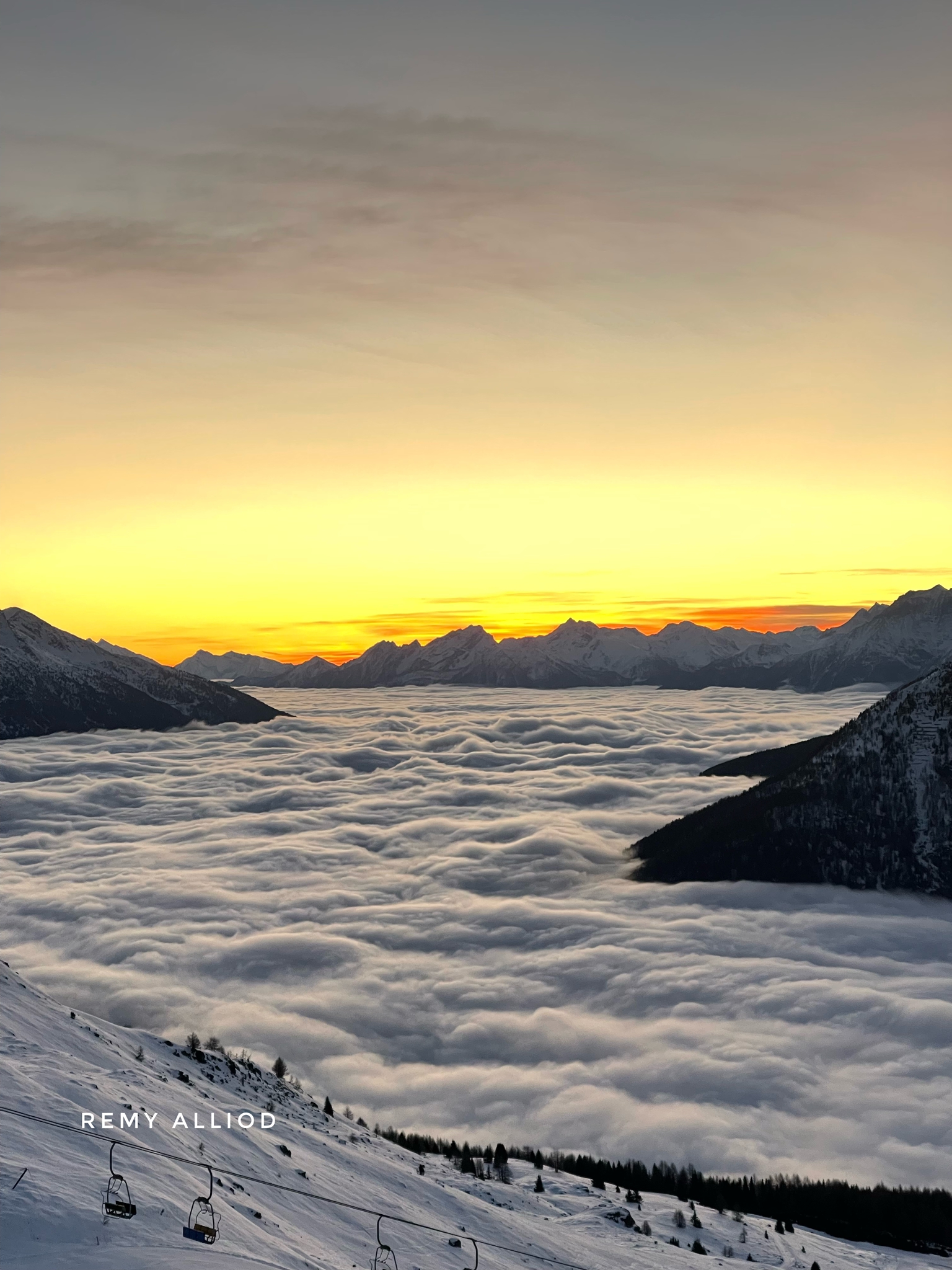
The warm colors of the larch trees and the silence of the alpine trails
The ideal season for walking along the flat stretches of the historic Ru trails, hiking the Via Francigena, and experiencing the mountains at their most peaceful and beautiful.


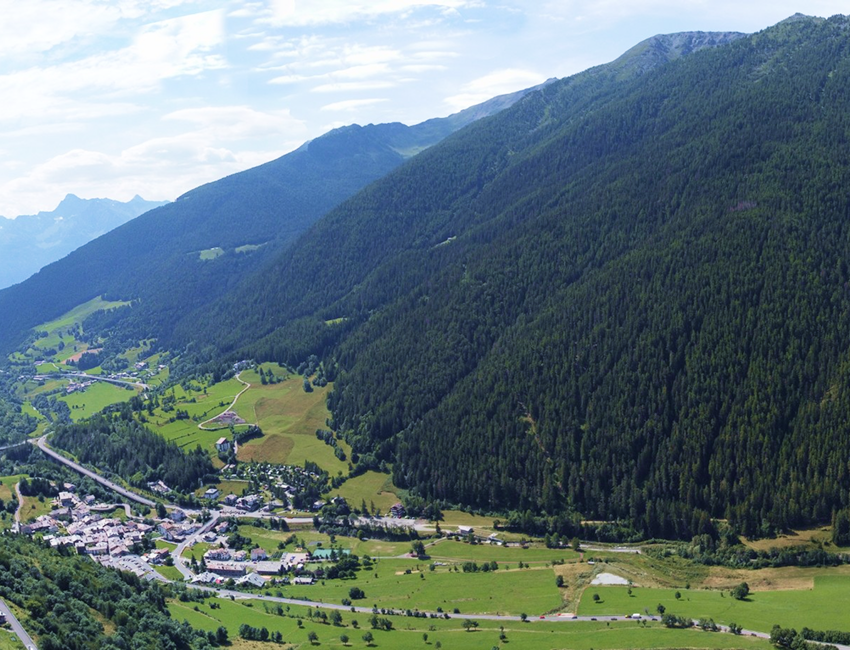
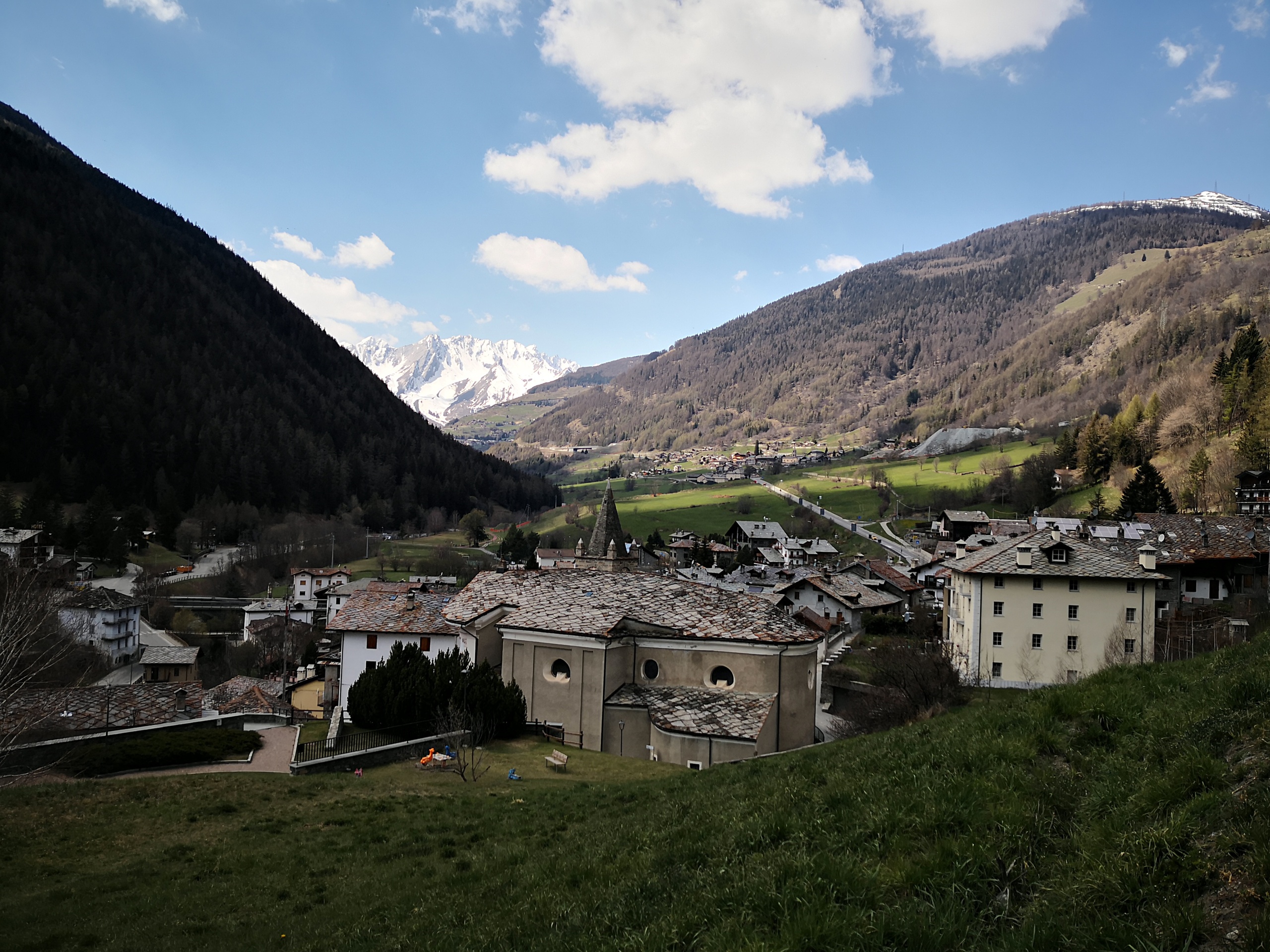
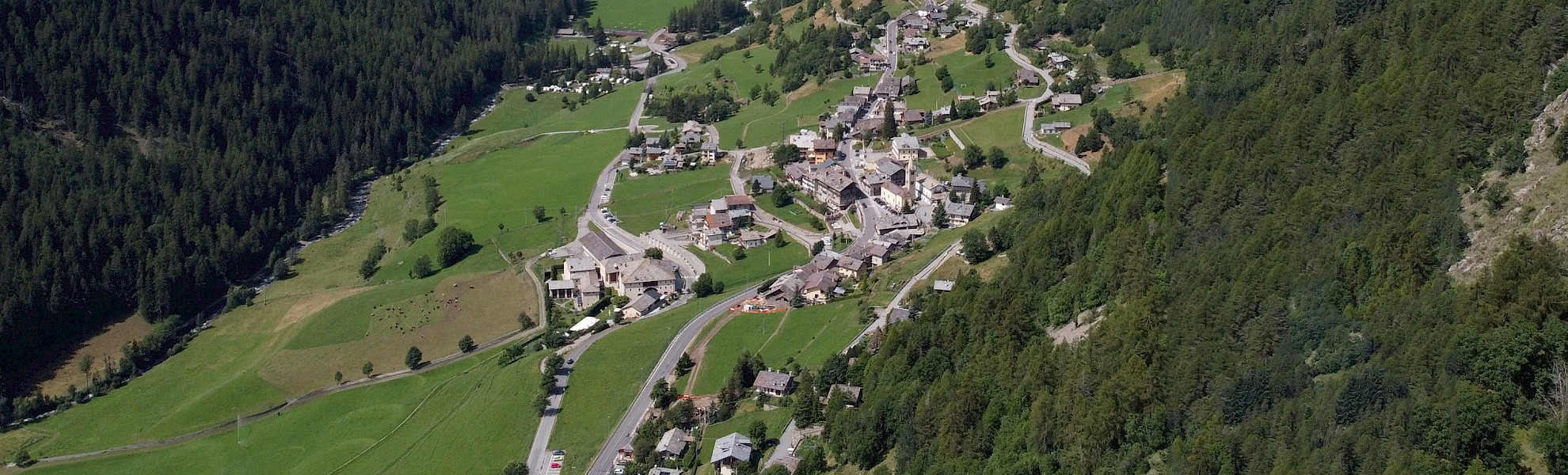
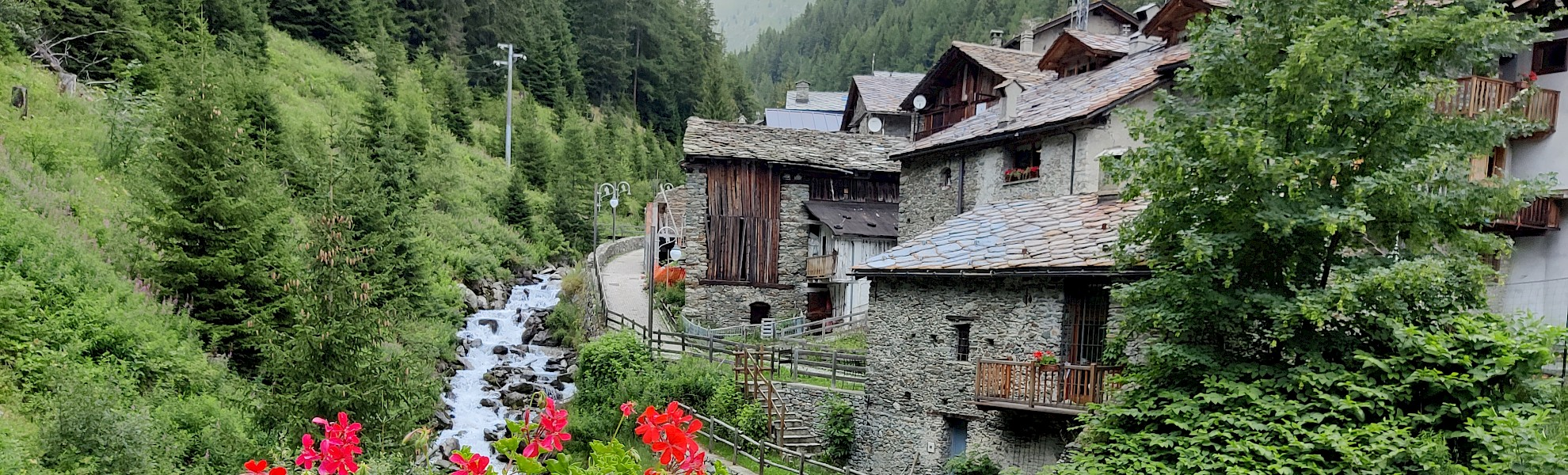
Three villages (Étroubles, Saint-Oyen, and Saint-Rhémy-en-Bosses), one valley, a single road—the Via Francigena—which for centuries has connected Italy to Europe through the Alps. Here, nature remains unspoiled, traditions are alive and well, and the hospitality is sincere and unpretentious.
Whether you’re here for the snow, the trails, the local cuisine, or just to take a break, you’ve come to the right place.
Three villages (Étroubles, Saint-Oyen, and Saint-Rhémy-en-Bosses), one valley, a single road that has connected Italy to Europe across the Alps for centuries. Here, nature remains unspoiled, traditions are alive and well, and the hospitality is sincere and unpretentious.
Whether you’re here for the snow, the trails, the local cuisine, or just to take a break, you’ve come to the right place.
Click here for more information on how to get here
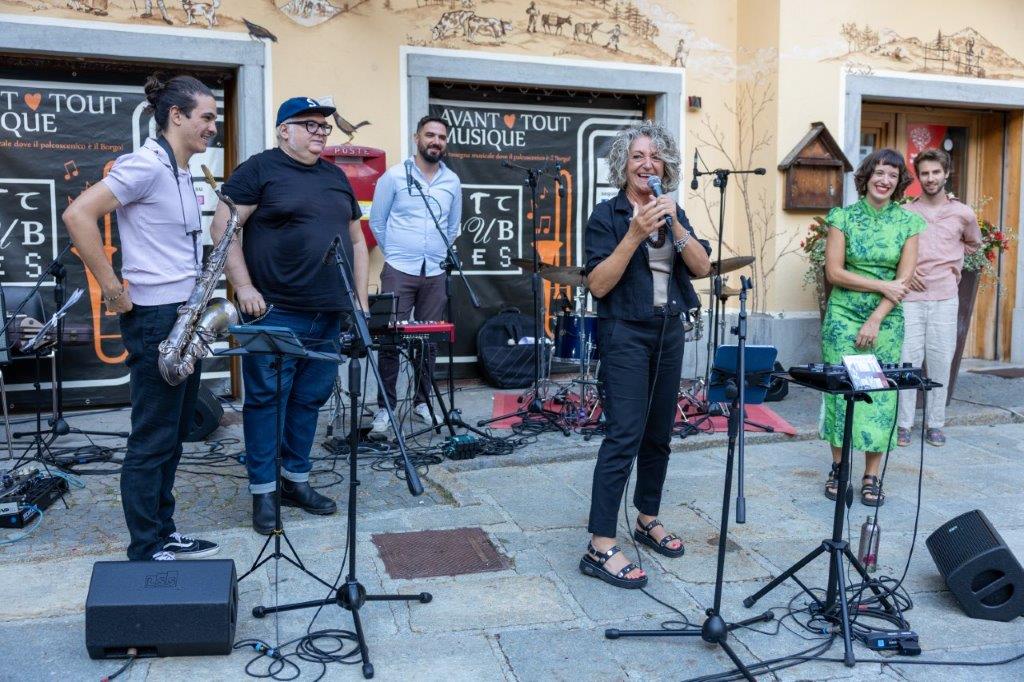
Festivals, sporting events, markets, traditional celebrations, and cultural events: the Great St. Bernard Valley has a packed calendar all year round.
Here you’ll find all the events scheduled for the coming weeks in the towns of Étroubles, Saint-Oyen, and Saint-Rhémy-en-Bosses.
Looking for a place to eat today? Here’s a quick overview of the restaurants that are open right now in the Great St. Bernard Valley.
From traditional Aosta Valley cuisine to pizza, you’ll find the perfect spot for every occasion.
* Opening hours and days are determined independently by each business. Before your visit, we recommend contacting the business directly to confirm hours and availability.


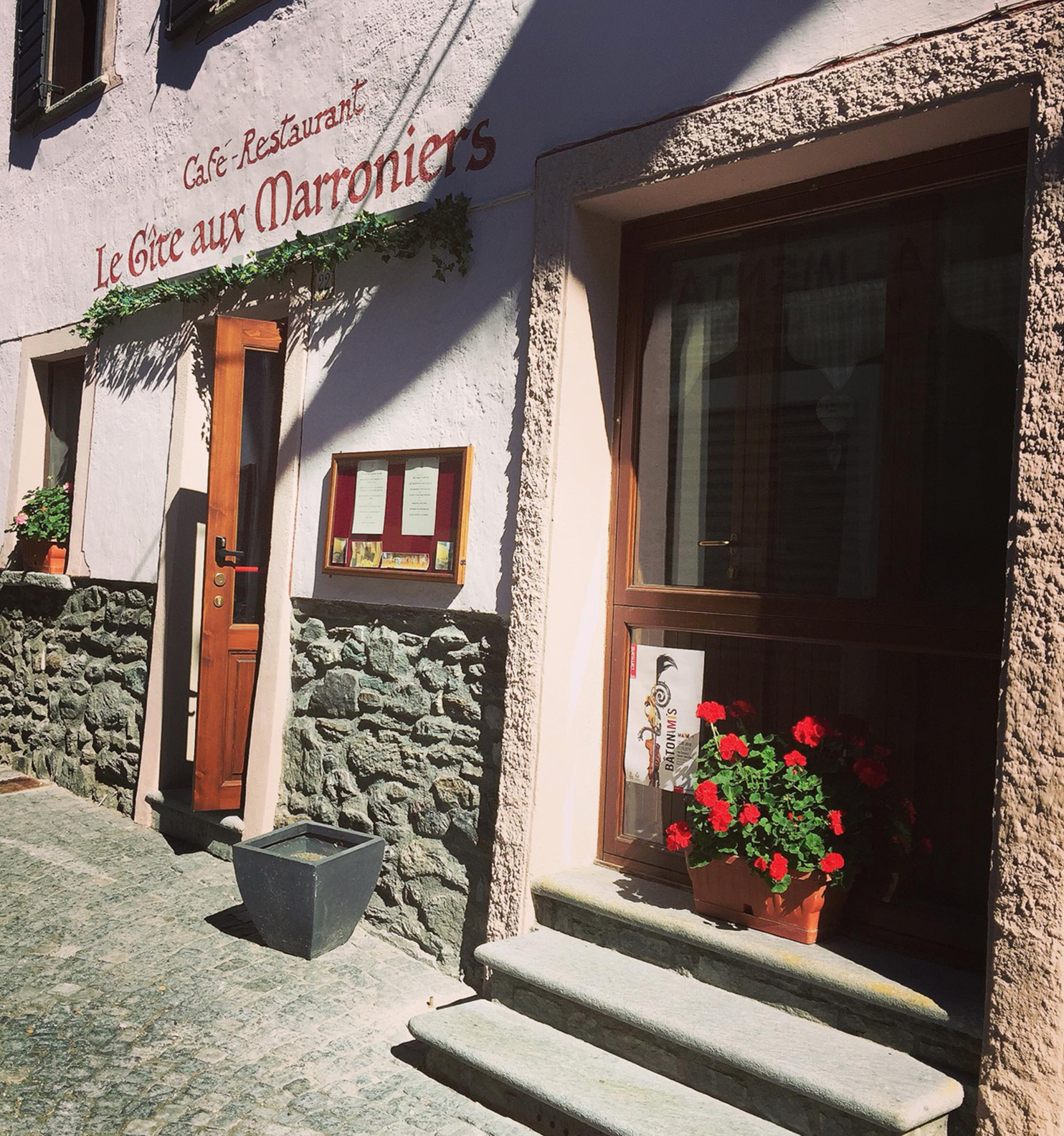
Refreshments and local specialties along the Via Francigena in the village of Étroubles. Hot dishes, charcuterie platters, and Alpine hospitality.
Read more

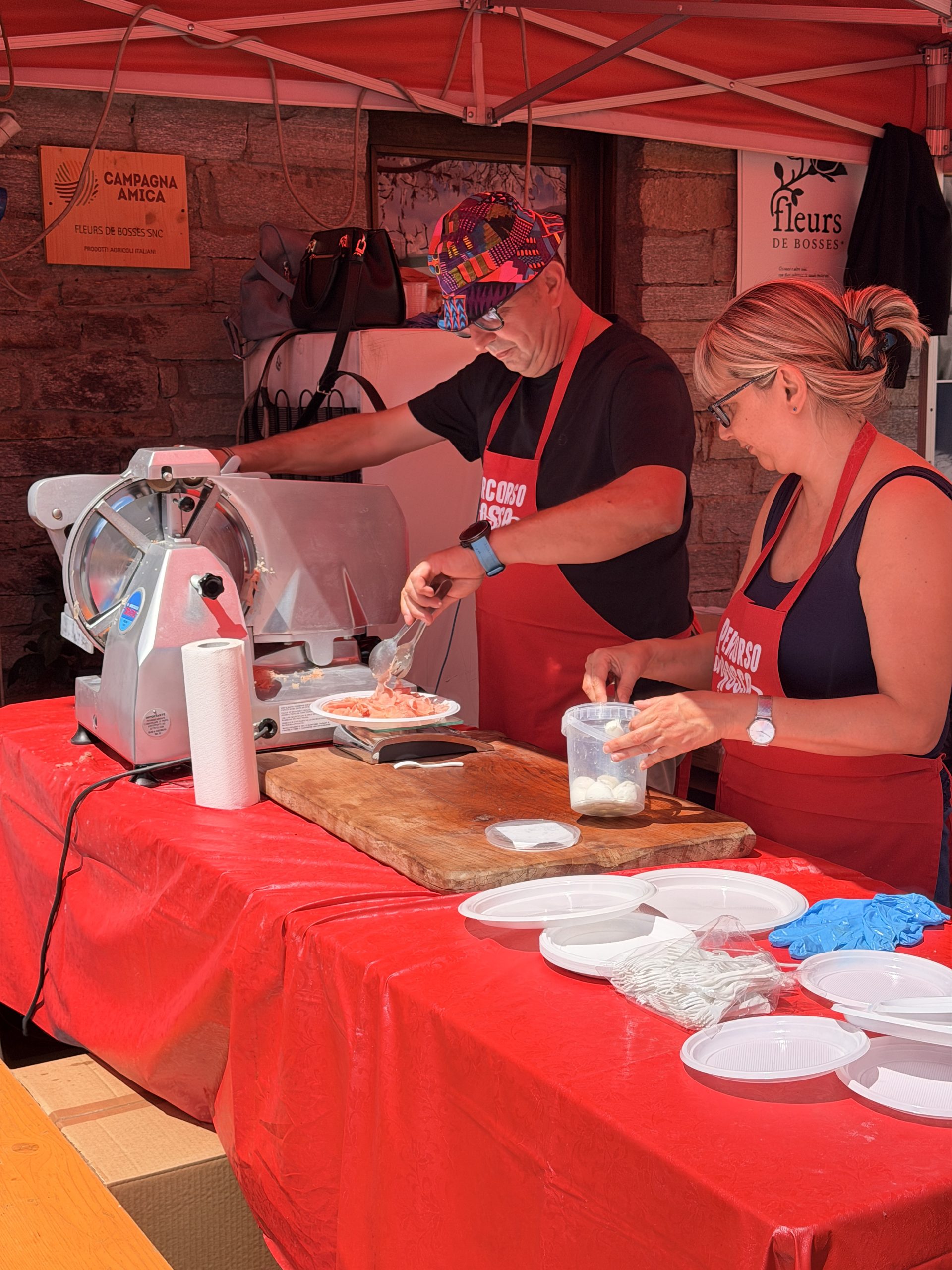
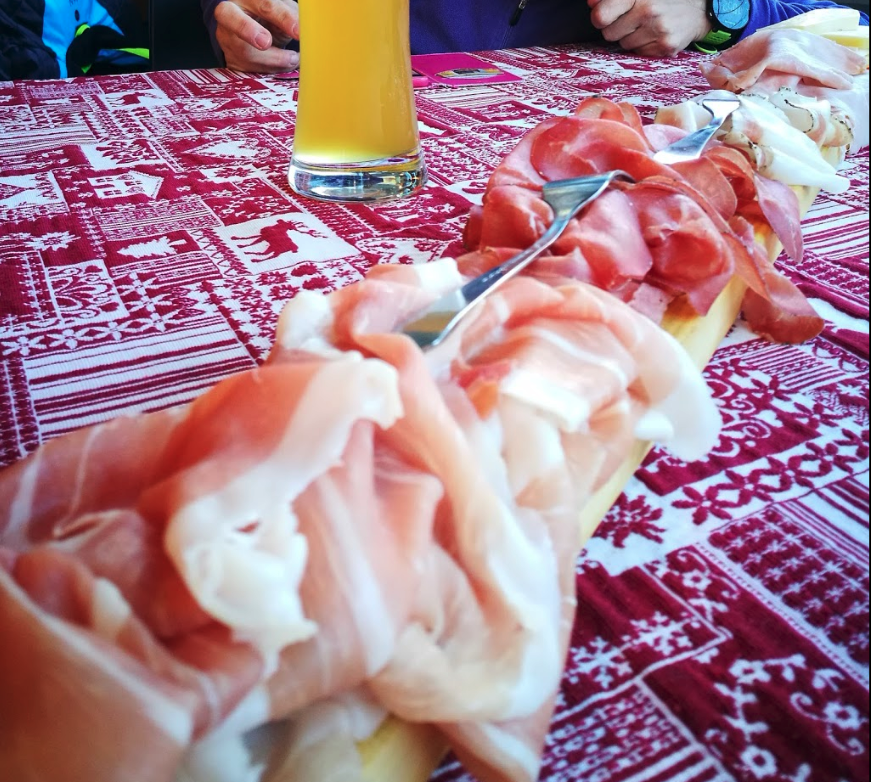
Tasting of Jambon de Bosses PDO and traditional alpine products in the village of Saint-Rhémy.
Read more

Before hitting the road, take a look. The webcams in the Great St. Bernard Valley show you real-time road conditions, snow cover, and weather at key locations throughout the area: from the valley floor up to the pass at 2,473 meters.
Weather forecasts for the Greater St. Bernard area are provided by the Operational Center of the Autonomous Region of Valle d'Aosta. This regional meteorological and hydrological monitoring service also publishes the Snow and Avalanche Bulletin. Before planning a hike or a day on the snow, always check the forecast: in the mountains, the weather can change quickly.
The Great St. Bernard Pass and the Great St. Bernard Tunnel (T2) are two different road links between Italy and Switzerland (Canton of Valais).
The Great St. Bernard Pass is located at an elevation of 2,473 meters along State Highway 27 (SS27). It is a toll-free Alpine pass, generally open from early June to the second half of October, depending on snow conditions and snow removal operations. From late October to late May, the road beyond the village of Saint-Rhémy-en-Bosses is blocked and closed to vehicular traffic due to meters of snow cover and the danger of avalanches. At the pass are the hospice founded around the year 1050 by St. Bernard of Aosta, the archaeological and natural history museum, the alpine lake, and the summer breeding facility for St. Bernard dogs managed by the Fondation Barry.
The Great St. Bernard Tunnel (T2) is a 5,798-meter-long transalpine toll road tunnel. The southern entrance is at an elevation of 1,875 meters in Italy (Saint-Rhémy-en-Bosses), and the northern entrance is at an elevation of 1,918 meters in Bourg-Saint-Pierre. The tunnel is open 24 hours a day, year-round. During the winter and spring months, it is the only road link between the valley and the Canton of Valais. The toll is managed by the concessionaires SITRASB and TGSB and can be paid in cash (euros or Swiss francs) or by credit card. Traveling north from Aosta along State Route 27, the junction between the covered tunnel ramp and the hairpin turns of the state route leading to the pass is signposted after the hamlet of Cerisey.
More details are available on the page dedicated to the Great St. Bernard Pass.
From October 15 to April 15, winter tires that have been approved (marked M+S, MS, or 3PMSF) or to carry snow chains compatible with the tires on the vehicle and ready for use.
The road rises to over 1,270 meters above sea level at Étroubles, 1,632 meters at Saint-Rhémy-en-Bosses, and 1,875 meters at the tunnel entrance: nighttime frosts and sudden snowfalls occur regularly in late fall and early spring. The Traffic Police and the Carabinieri conduct systematic checks along the route. Driving without the required equipment results in administrative fines and a ban on continuing the journey until the vehicle is brought into compliance.
To check road conditions in real time before reaching the Crévacol or Flassin resorts, check the webcams and the “Winter on the Snow” section.
During the peak summer season (July and August), some daily trips on the Arriva bus line extend their route from Saint-Rhémy-en-Bosses to the summit of the Great St. Bernard Pass, at an elevation of 2,473 meters. At the pass, passengers can transfer to Swiss postal buses (CarPostal) bound for Orsières and Martigny. This extension is available only during the summer opening period of the state highway.
For evening travel, multi-stage journeys along the Via Francigena, luggage transport, or picking up hikers and ski mountaineers from the valley floor, two authorized chauffeured car rental services (NCC) and taxi companies based in Étroubles are available: Silvia Alberti (phone +39 329 7054994) and Guido Letey (phone +39 338 3531650). Rides and fares must be arranged or booked by phone in advance.
Information on transportation and accommodations can be found on the Info and Contacts page.
The public bus service operated by Arriva Italia (formerly SAVDA) provides regular service between the city of Aosta and the three municipalities of the Upper Gran San Bernardo Valley.
The departure terminal is located at the Aosta Bus Station on Via Giorgio Carrel, in the plaza in front of the train station. The buses travel up State Road 27 and make stops in the towns and hamlets of Étroubles (1,270 m), Saint-Oyen (1,373 m), and Saint-Rhémy-en-Bosses (1,632 m). The travel time from Aosta ranges from 35 to 45 minutes, depending on the stop.
The service offers daily trips with departures spread throughout the day on weekdays and reduced service on Sundays and holidays. The stops along State Route 27 allow travelers to move between the three towns even without a car. Seasonal schedules and ticket fares are available on the website aosta.arriva.it or by contacting the call center at +39 035 289000. Service ends in the early evening; there are no scheduled nighttime public transit services.
All contact information and service schedules are listed on the Info and Contacts page.
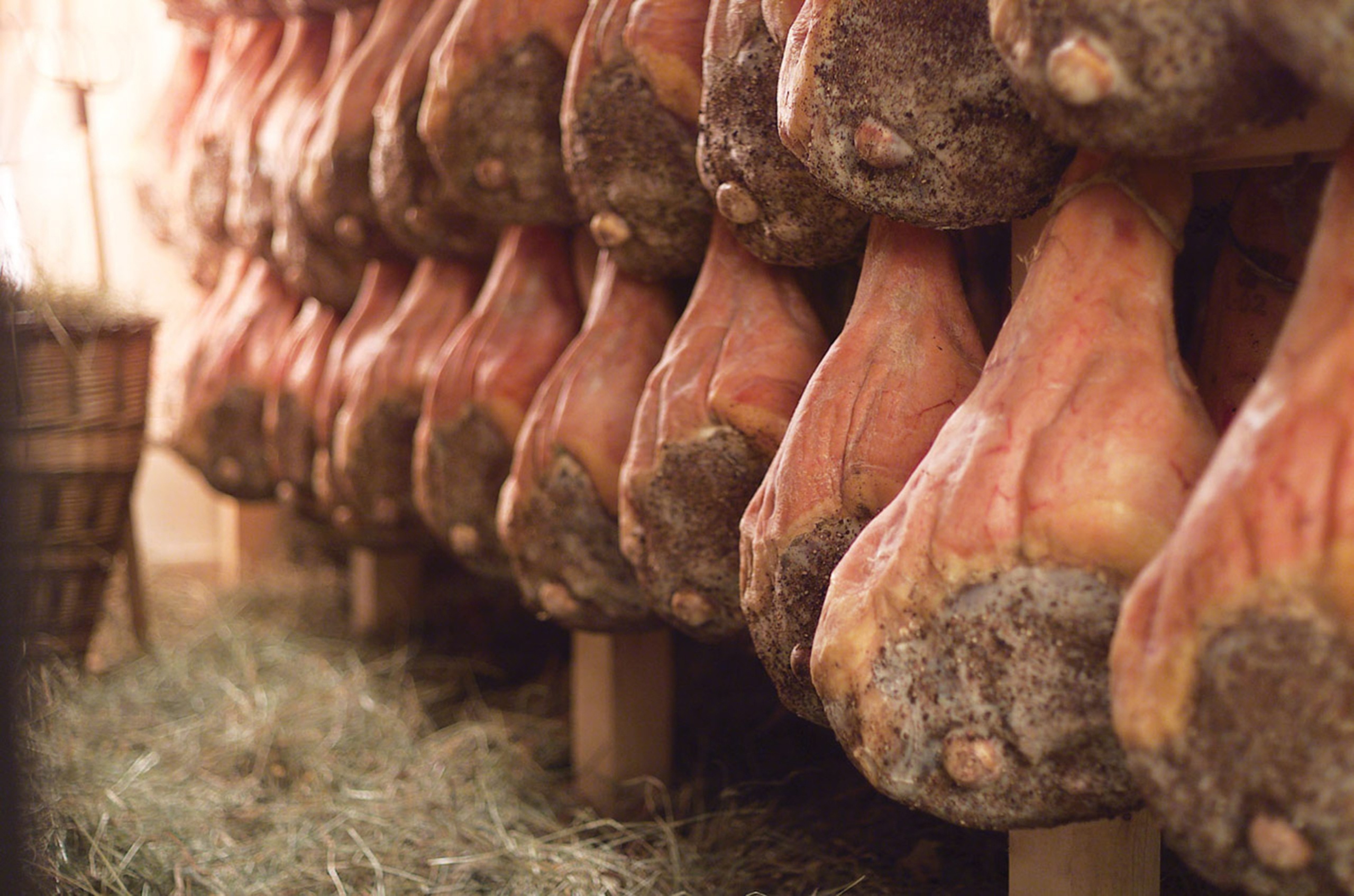
The Vallée d’Aoste Jambon de Bosses DOP is a high-altitude raw ham produced and aged in Saint-Rhémy-en-Bosses at an elevation of 1,632 meters. Its production is documented in an accounting record from 1397, preserved in the archives of the Great St. Bernard Hospice. It was granted Protected Designation of Origin status in 1996.
It is made from the hind legs of Italian heavy-breed pigs, processed by hand, dry-cured with sea salt, and flavored with pepper, garlic, juniper berries, and wild thyme harvested from local slopes. The curing process lasts at least 12 months (with select batches reaching 24 or 30 months) and takes place in Saint-Rhémy, where the hams are laid on beds of mountain hay, taking advantage of the dry air and ventilation of the mountain pass.
Jambon de Bosses DOP can be purchased and enjoyed in Saint-Rhémy-en-Bosses at the Sous le Pont de Bosses ham shop and La Botecca di Gourmandise in the hamlet of Predumaz at Falcoz 22 (phone +39 0165 780611 / +39 333 5756350), as well as in restaurants and shops throughout the valley. The De Bosses curing facility, located in the village, is open to individuals and groups by appointment, which can be made by phone or online.
Learn more about the history and production of Lo Jambon de Bosses DOP and on the La Vallée des Jambons website.
Saint-Oyen Charcoal-Grilled Ham is a high-quality charcoal-grilled cooked ham (with a moisture content of less than 76.5%), recognized as a Traditional Agri-Food Product (PAT) of the Aosta Valley. It is the only cooked ham produced within the Aosta Valley region.
The production process uses fresh, boneless legs of Italian heavy-breed pork, trimmed by hand. The meat is seasoned with salt, alpine herbs, organic honey from the Aosta Valley, and Génépy liqueur, then tied by hand with twine. It undergoes slow steam cooking for 24 hours, followed by roasting over hot coals in a wood-fired oven fueled by wood from the Aosta Valley forests. As it rotates over the glowing coals, the ham is constantly basted with craft beer produced in Étroubles by Les Bières du Grand-Saint-Bernard.
The ham is produced by Prosciuttificio 2473 in Saint-Oyen, whose name refers to the elevation of the Great St. Bernard Pass. It is eaten thinly sliced as an appetizer or served in thick, warm slices with polenta or mountain potatoes. The Grilled Ham Festival is organized by the Pro Loco of Saint-Oyen every year on the first weekend of August in the Flassin park, featuring wood-fired ovens and food stands.
To learn more, visit the Saint-Oyen Grilled Ham page and the La Vallée des Jambons section.
Fontina DOP is a full-fat, semi-cooked cheese produced exclusively from raw whole milk from cows of the Valdostana breed (red spotted, black spotted, and chestnut). Processing begins within two hours of milking, without pasteurization or additives.
Alpine Fontina is produced from late June to late September in alpine pastures located between 1,700 and 2,400 meters above sea level (such as Barasson, Merdeux, and Menouve), where the herds graze on summer alpine pastures. The minimum aging period is 90 days at approximately 10°C on spruce planks, with constant humidity above 90%. The historic aging cellars, carved out of the tunnels of the old copper mines, can be visited in Valpelline at the Visitor Center of the Cooperativa Produttori Latte e Fontina.
In Étroubles stands the Old Turnaria Dairy, founded in 1853, the first cooperative dairy in the Aosta Valley. The building houses an ethnographic museum featuring copper kettles, churns, and original tools used to produce Fontina, butter, and séras. Guided tours of the dairy museum can be arranged by contacting the Étroubles Municipal Library (phone +39 0165 789101).
Learn more about local cheeses on the page “Fontina DOP and Alpine Cheeses.”
The Upper Valley Food Festivals are three summer events dedicated to the region’s food and wine products:
The complete schedules and updates on dates are available in the ” Sagre del Gusto ” tab and in the ” Events” section.
The traditional festivals of the Upper Great St. Bernard Valley follow the cycle of the Alpine seasons.
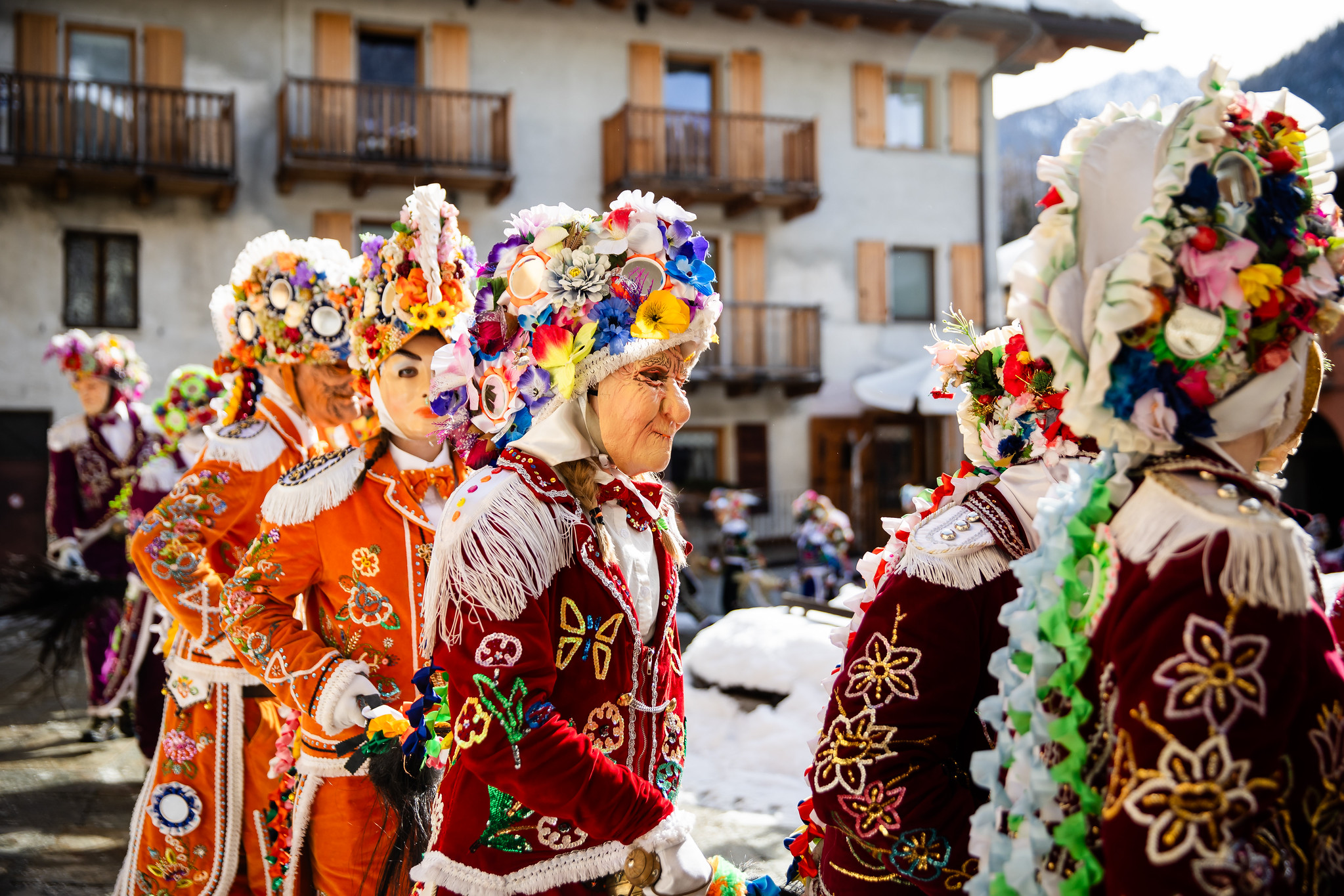
The Coumba Freida Carnival is celebrated between January and February in the towns of Saint-Rhémy-en-Bosses, Saint-Oyen, and Étroubles. The parade’s signature mask is the Landzetta. The Landzette wear a velvet costume in bright colors, hand-embroidered with over 30,000 sequins and beads, reflective mirrors to ward off winter spirits, a belt with a bell, and a horsehair whip. The costume is a parodic take on the uniforms of the French soldiers in Napoleon Bonaparte’s army, which passed through the Great St. Bernard Pass in May 1800.
Fiolet is a traditional folk sport from the Aosta Valley played in the spring (from March to May) on the meadows in the valley floor before the grass grows tall enough for grazing. It consists of striking an oval wooden ball (fiolet) placed on a smooth stone (pila) with a wooden mallet that has a flared end (eissola). The regional Fiolet championship has been held since 1953.
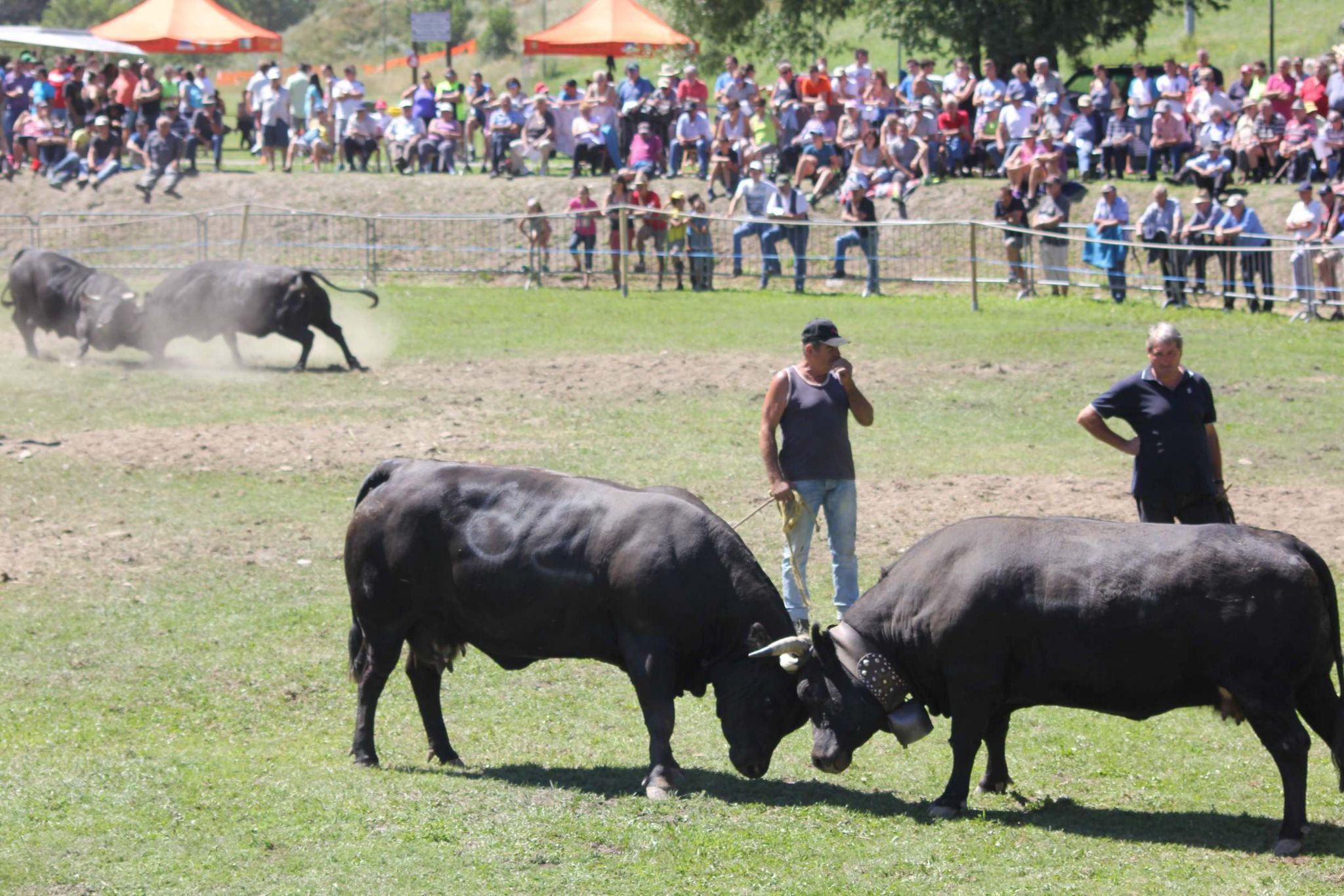
The Bataille des Reines is a non-violent pushing contest between pregnant cows of the black-and-brown-spotted Aosta Valley breed, held to establish the herd’s hierarchy. The municipality of Étroubles hosts an official summer qualifying round every two years; the qualifying cows advance to the regional fall final at the Croix-Noire arena in Aosta, which takes place in late October.
The Pan Ner Festival takes place between late October and early November. The wood-fired ovens in the hamlets of Étroubles, Saint-Oyen, and Saint-Rhémy are fired up for the communal baking of traditional black rye-and-wheat bread and flantze (bread enriched with walnuts and raisins), which are stored for the winter on suspended wooden racks (ratelér). More details on traditional bread-making can be found in the “Black Bread” fact sheet.
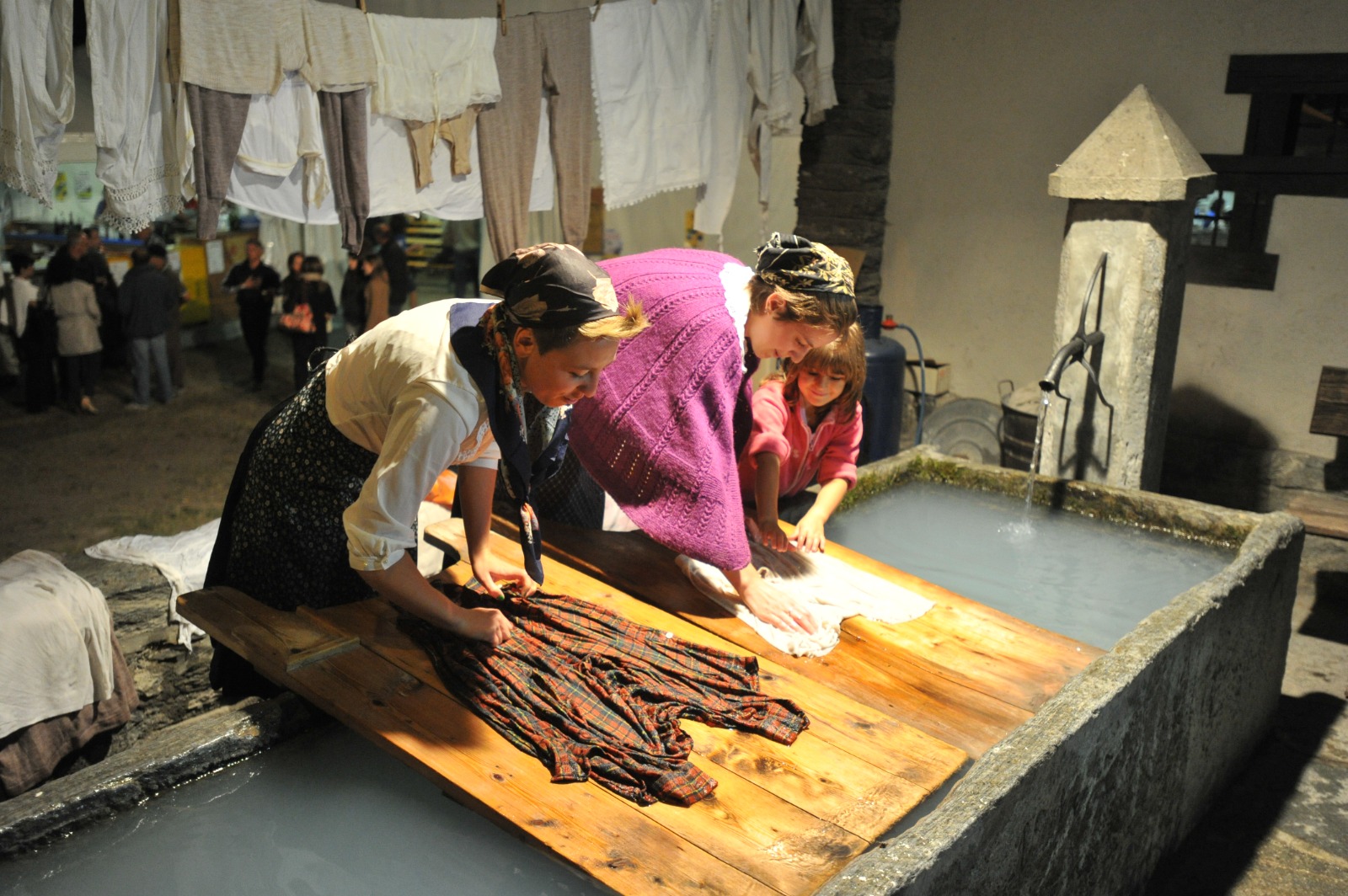
Among other notable summer reenactments is La Veillà d’Étroubles, featuring demonstrations of traditional crafts in the village in early August.
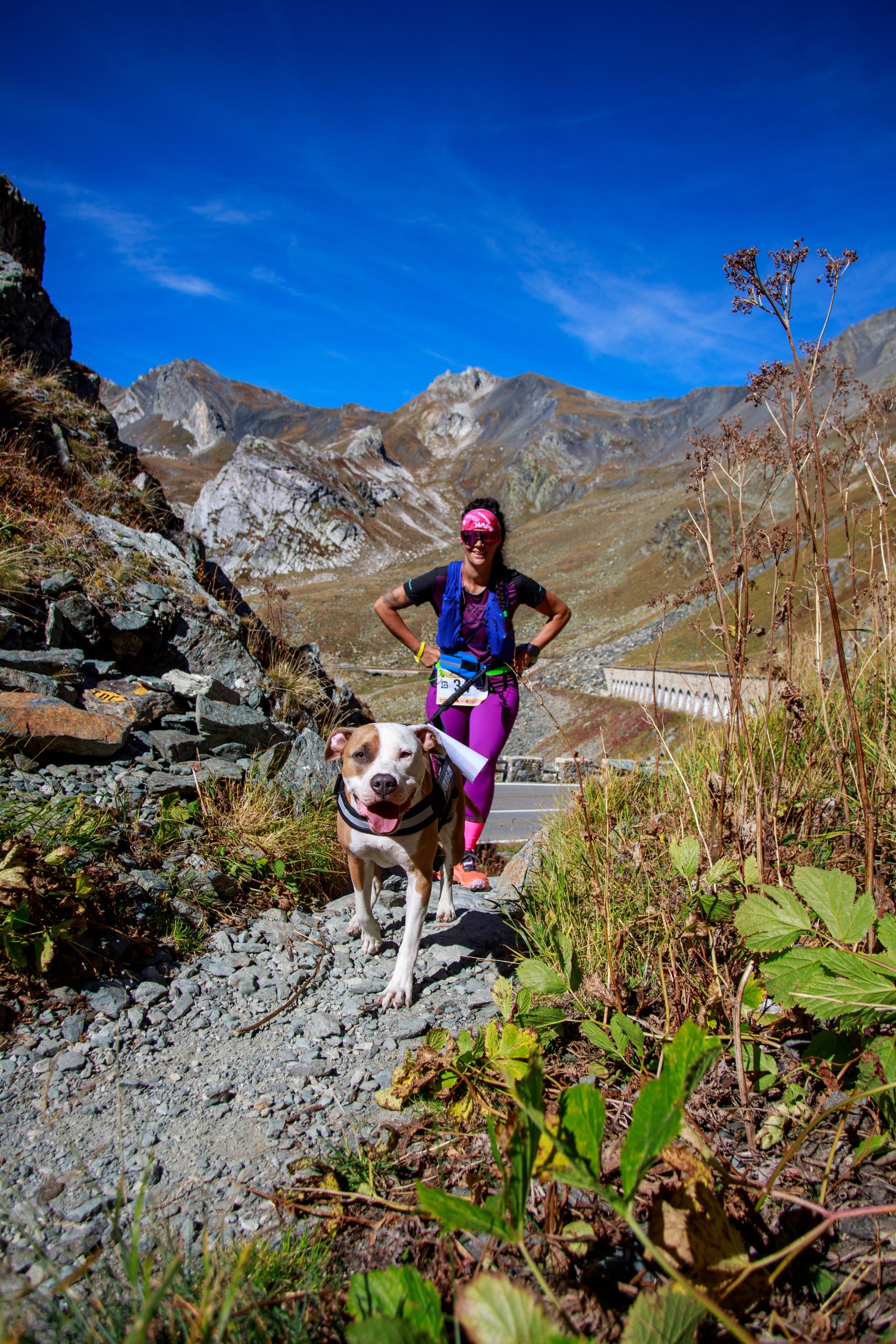
The trails in the Upper Gran San Bernardo Valley are not located in protected areas where pets are prohibited: dogs are allowed on all hiking trails in the valley, provided they are kept on a leash.
The regulations of the Autonomous Region of Valle d’Aosta and municipal ordinances require that dogs be kept on a leash at all times, with the leash not exceeding 1.5 meters in length. The Barasson, Menouve, Citrin, and Merdeux valleys are pastures grazed by herds of cattle raised for Fontina DOP cheese and by flocks of sheep guarded by herding dogs. Unleashed dogs can trigger defensive reactions from livestock, lead to incidents with herding dogs, or cause harm to local wildlife (marmots, chamois, and roe deer).
On rocky and scree-covered sections at high altitudes, such as the ascent to Col Malatrà (2,925 m along Alta Via No. 1) or the route to the Molline Bivouac (2,415 m), sharp scree can cause abrasions and cuts to dogs’ paw pads. Above 2,200 meters, springs and streams are scarce: be sure to bring an adequate supply of water and a bowl. Whether dogs are allowed in the dormitories of alpine huts depends on the manager and must be confirmed in advance.
Recommended itineraries and hikes are described on the Summer Outdoor and Routes & Trails pages.
Crévacol and Flassin are two winter resorts with distinct facilities, located about 6 kilometers apart along State Route 27.
The Crévacol resort, in the municipality of Saint-Rhémy-en-Bosses, is dedicated to alpine skiing and snowboarding. It spans altitudes ranging from 1,640 to 2,450 meters, with over 800 meters of vertical drop and 20–22 kilometers of groomed runs. It features two three-person chairlifts and a magic carpet for beginners at the base. The slopes face south, ensuring sunlight throughout the day. At an elevation of 2,000 meters, there are panoramic terraces and on-slope dining options (Arp du Jeu). Crévacol does not have slopes for sledding or snow tubing.
The Flassin area, in the municipality of Saint-Oyen (1,350–1,400 m), is designed for families, children, and cross-country skiing. It is home to the Flassin Snow Park, a fenced-in area of 50,000 square meters equipped with two moving walkways and trails reserved for snow tubing, bobsledding, sledding, and snow bikes. Adjacent to the park is the Foyer de Fond, the starting point for an 18-kilometer cross-country ski trail divided into three loops between Étroubles and Saint-Rhémy, featuring heated changing rooms, hot showers, ski waxing services, and equipment rentals.
All services and details for the winter season are outlined in the “Winter on the Snow” section.
Pursuant to Article 26 of Legislative Decree No. 40 of February 28, 2021 (Legislative Decree 40/2021) and Aosta Valley Regional Law No. 27/2004, anyone engaging in ski mountaineering, snowboard mountaineering, or snowshoeing on snow-covered terrain off-piste, where there is a risk of avalanches, must have a self-rescue kit consisting of:
This regulation is binding on anyone who leaves the groomed slopes or designated trails. Law enforcement and the Forest Service inspect equipment and issue fines to violators. Before every excursion, you must consult the Snow and Avalanche Bulletin issued by the Operational Center of the Autonomous Region of Valle d’Aosta, assessing the danger level, wind conditions, and rising temperatures. For ski mountaineering routes in the area (40 trails surveyed as part of the cross-border project), the Ski Alp Gran San Bernardo mobile app is available.
For more information on winter sports activities, visit the Winter in the Snow page.
The number to call for any emergency in the area is the Single European Emergency Number 112, available 24 hours a day for medical emergencies, ski patrol assistance, traffic accidents, the Fire Department, and the Carabinieri. For operations at high altitudes and in rugged terrain, the dispatch center directly alerts the Valdostan Mountain Rescue Service (SAV), which has a helicopter rescue base at the Aosta airport, staffed by rescue technicians and a resuscitation physician.
The local health, rescue, and administrative facilities are as follows:
The complete list of public services and grocery stores is available on the Info and Contacts page.