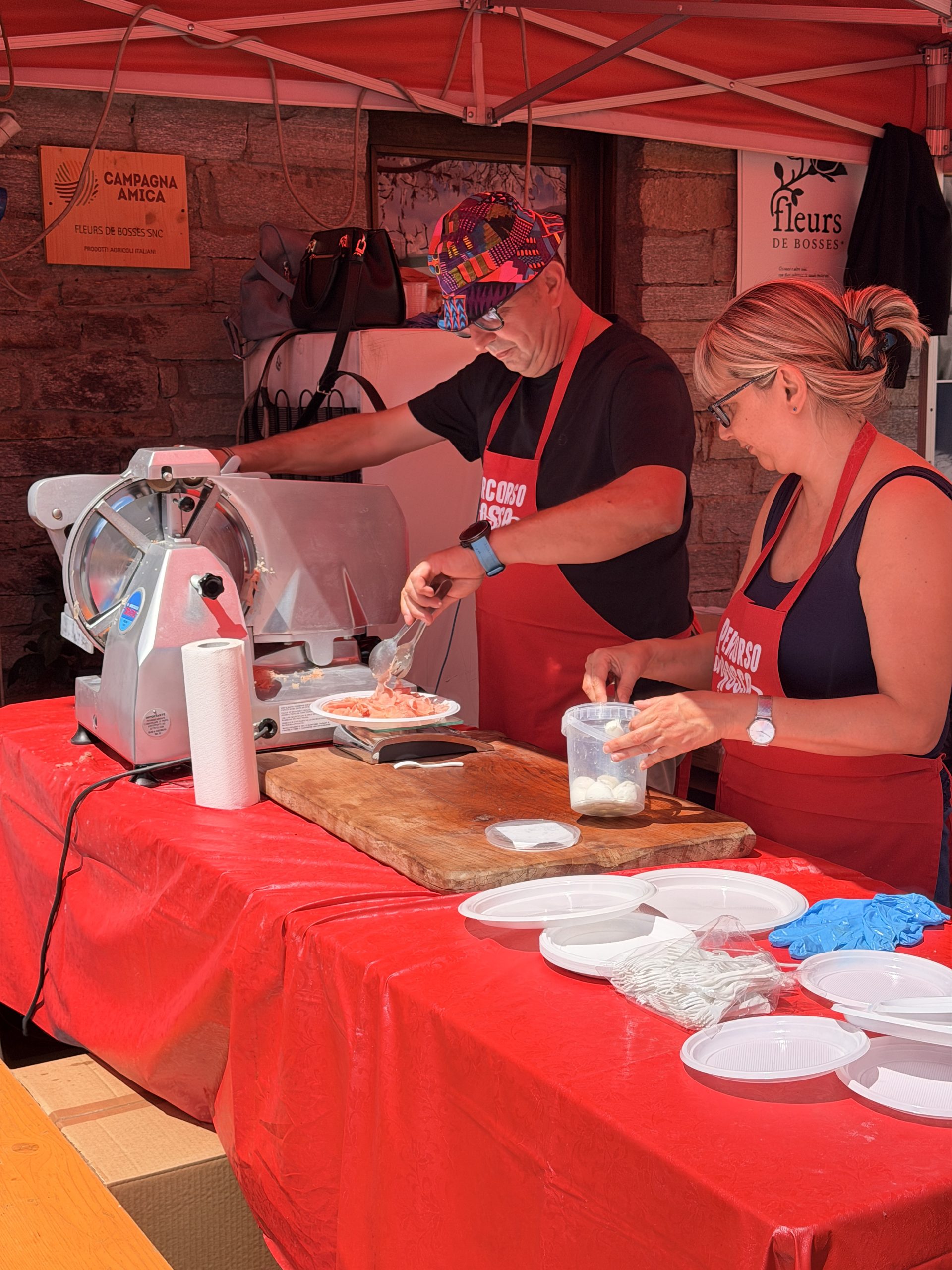
Food Festivals
Major events celebrating the culinary and wine excellence of the Upper Gran San Bernardo Valley: historic festivals, tastings in the villages, and traditional flavors to experience and savor in every season.
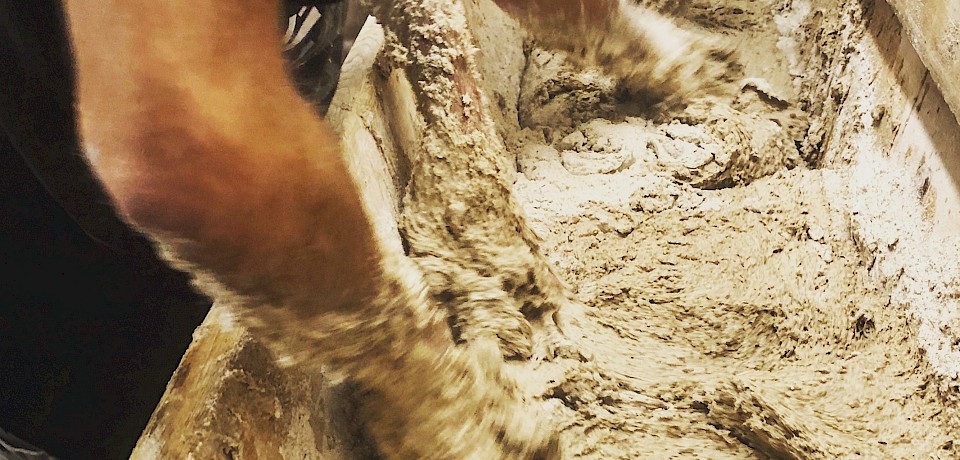
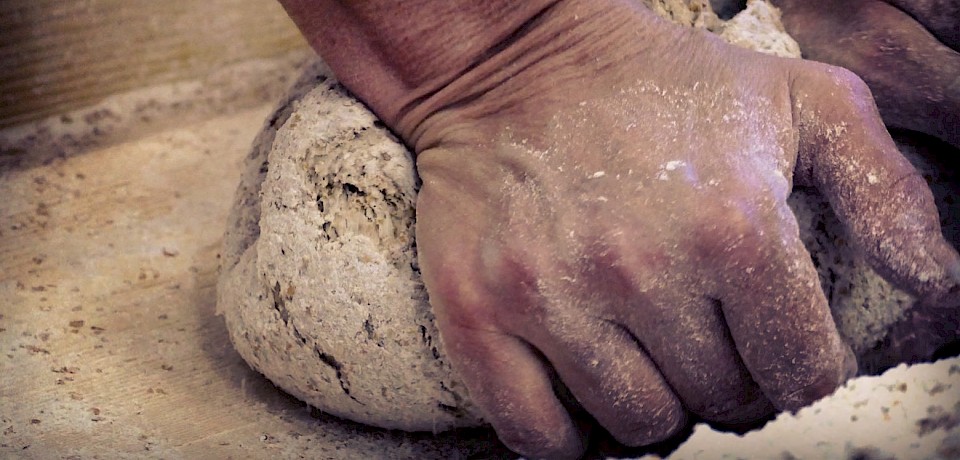
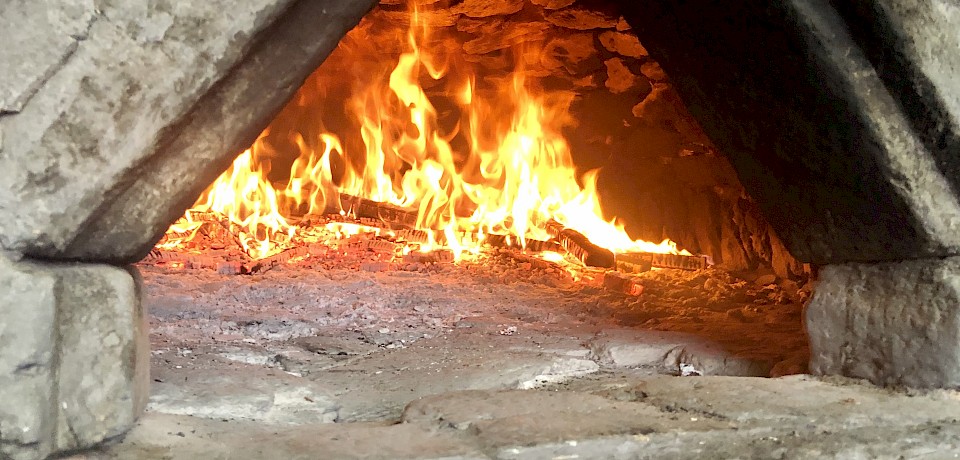
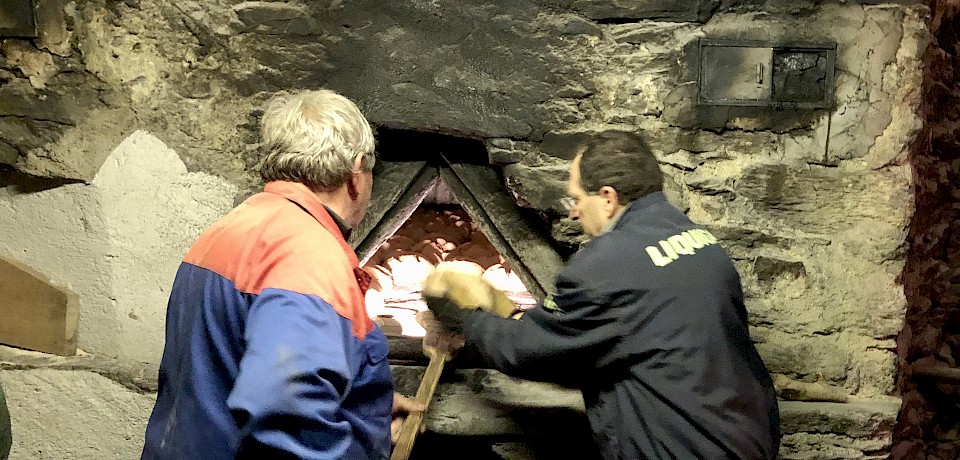
The ancient tradition of breadmaking and the communal lighting of wood-fired ovens in the villages of the Upper Valley.
For centuries, black bread made from rye and wheat flour has been the cornerstone of the daily diet for families in the Upper Valley. In a region with a harsh climate, rye was the ideal grain for withstanding low temperatures and high altitudes.
Baking bread was a special event that marked the rhythm of rural life: it took place only once a year, in early November, before the snow cut off the villages for the long winter months.
In every hamlet of Étroubles, Saint-Oyen, and Saint-Rhémy-en-Bosses, there was a communal wood-fired stone oven. On baking days:
Today, this precious collective memory is brought to life every fall (on the first weekend of November) with the cross-border festival “Lo Pan Ner – The Breads of the Alps”:
Major events celebrating the culinary and wine excellence of the Upper Gran San Bernardo Valley: historic festivals, tastings in the villages, and traditional flavors to experience and savor in every season.
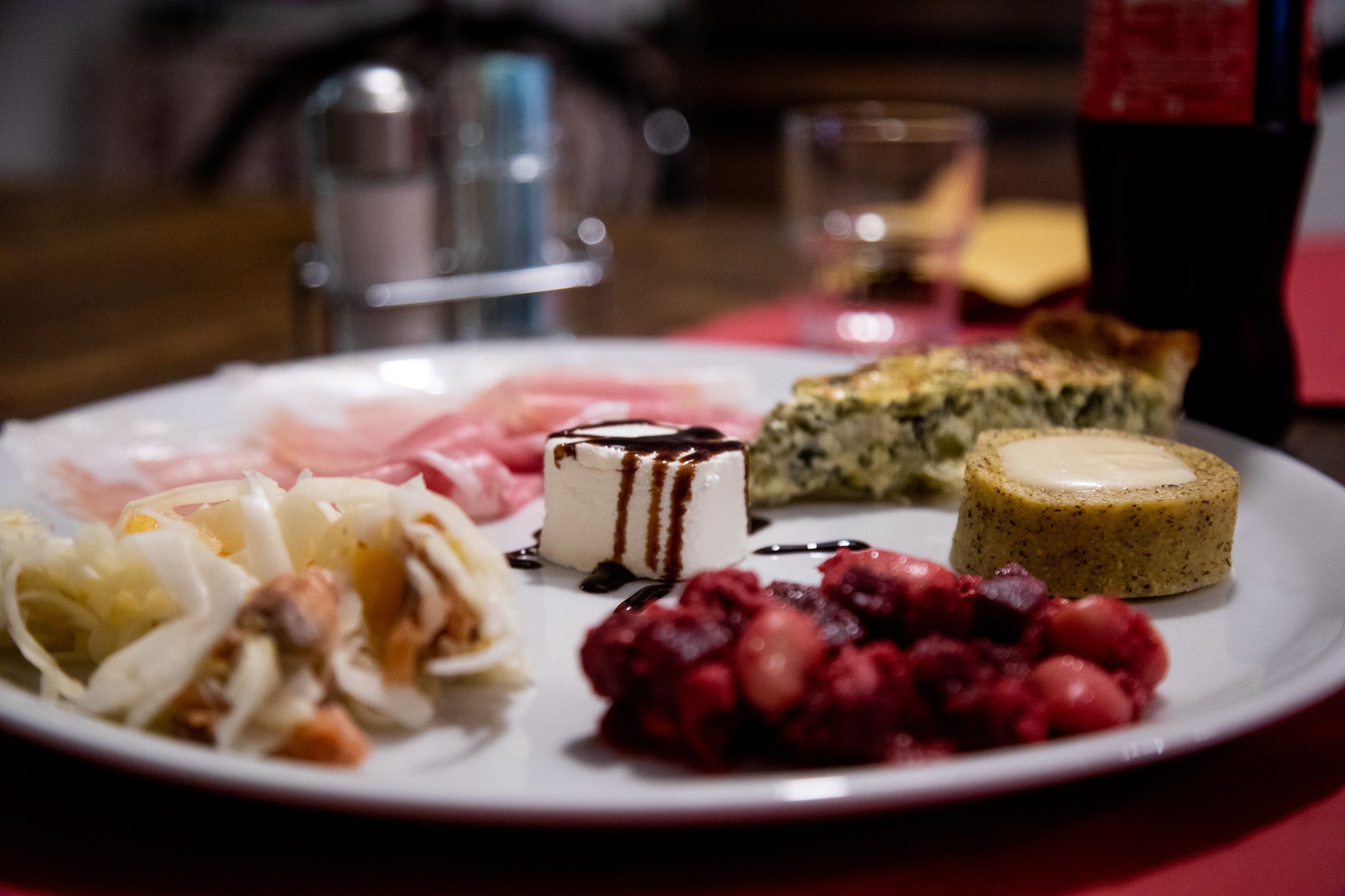
Traditional Aosta Valley cuisine, polenta concia, alpine cheeses, and the valley’s famous hams in the villages and high-altitude mountain huts.
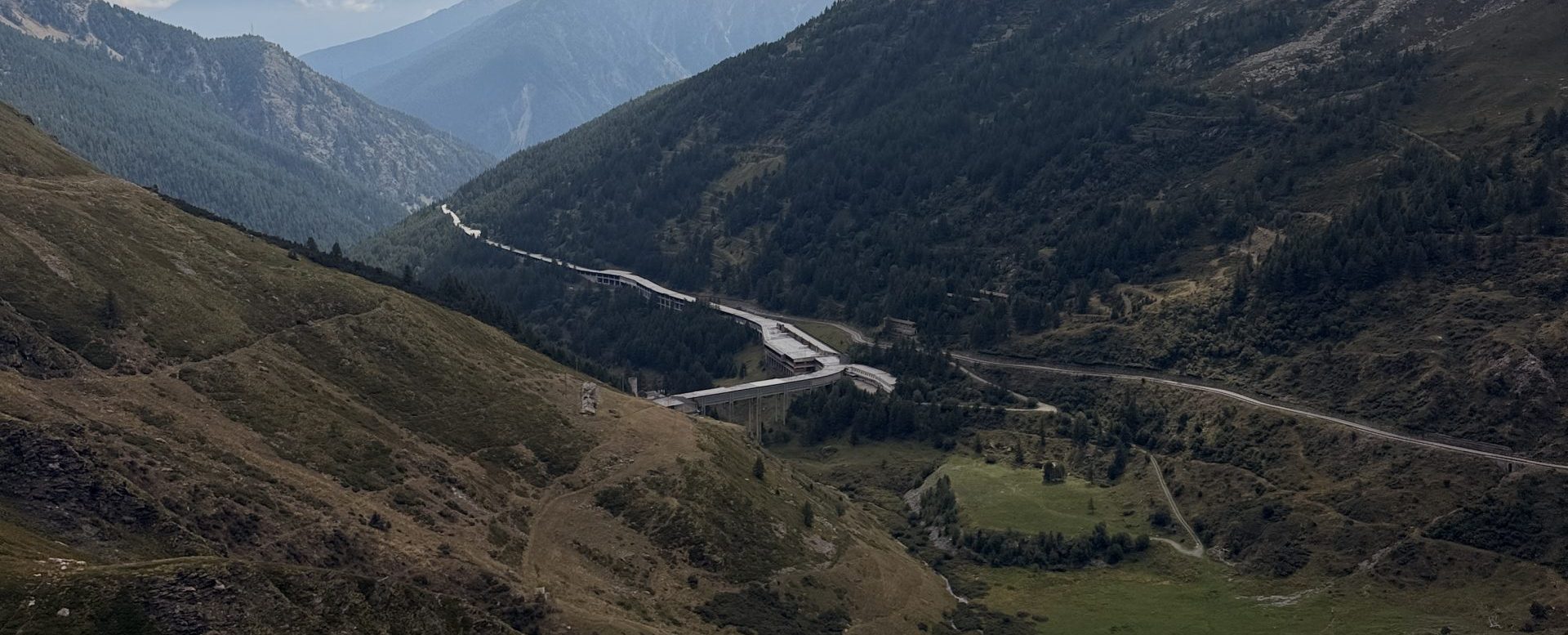
The Great St. Bernard Valley lies in the heart of the Western Alps: the road connecting Italy and Switzerland via the Great St. Bernard Pass. The area is easily accessible from major urban centers