
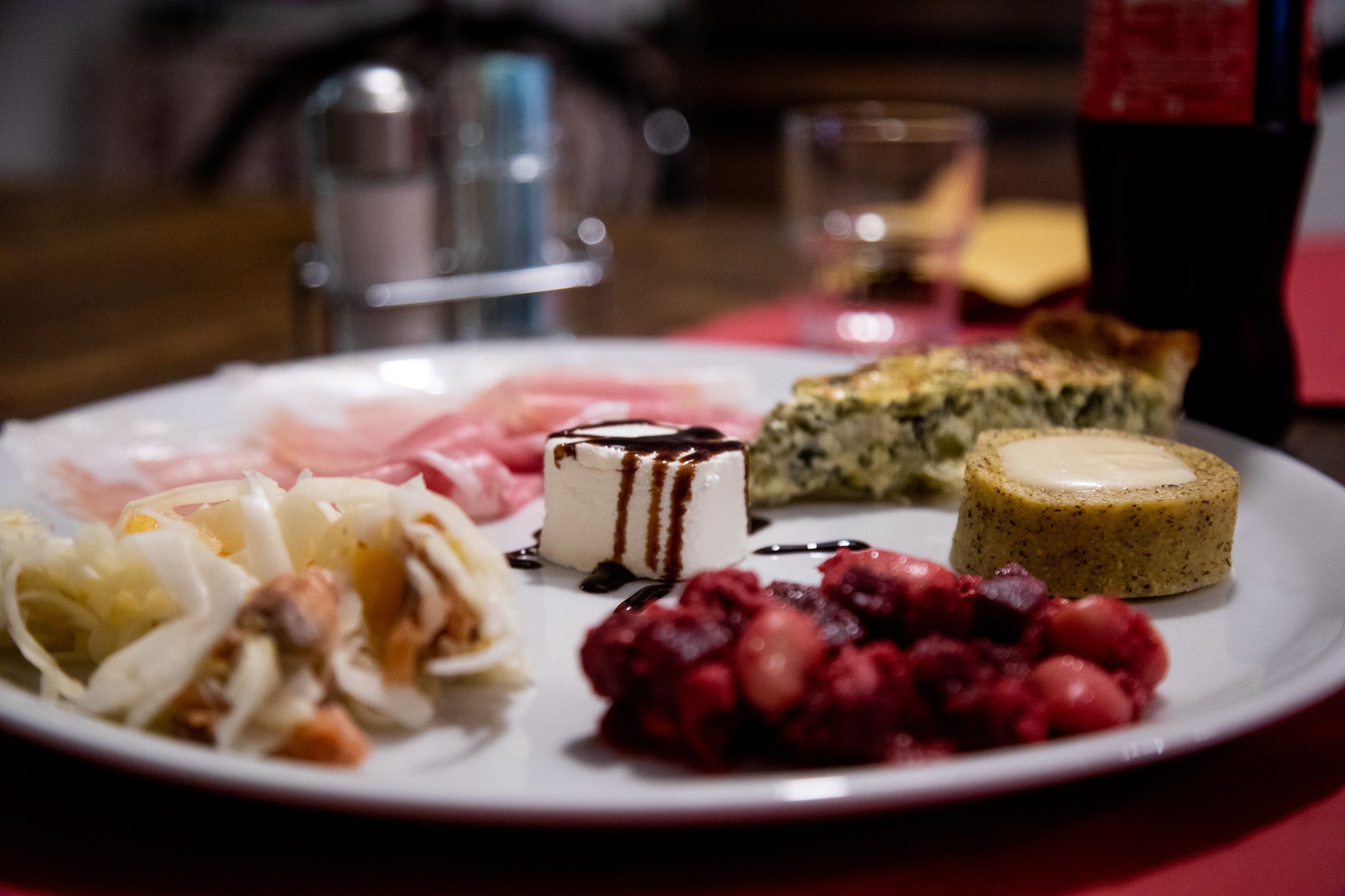
Where to Eat
Traditional Aosta Valley cuisine, polenta concia, alpine cheeses, and the valley’s famous hams in the villages and high-altitude mountain huts.
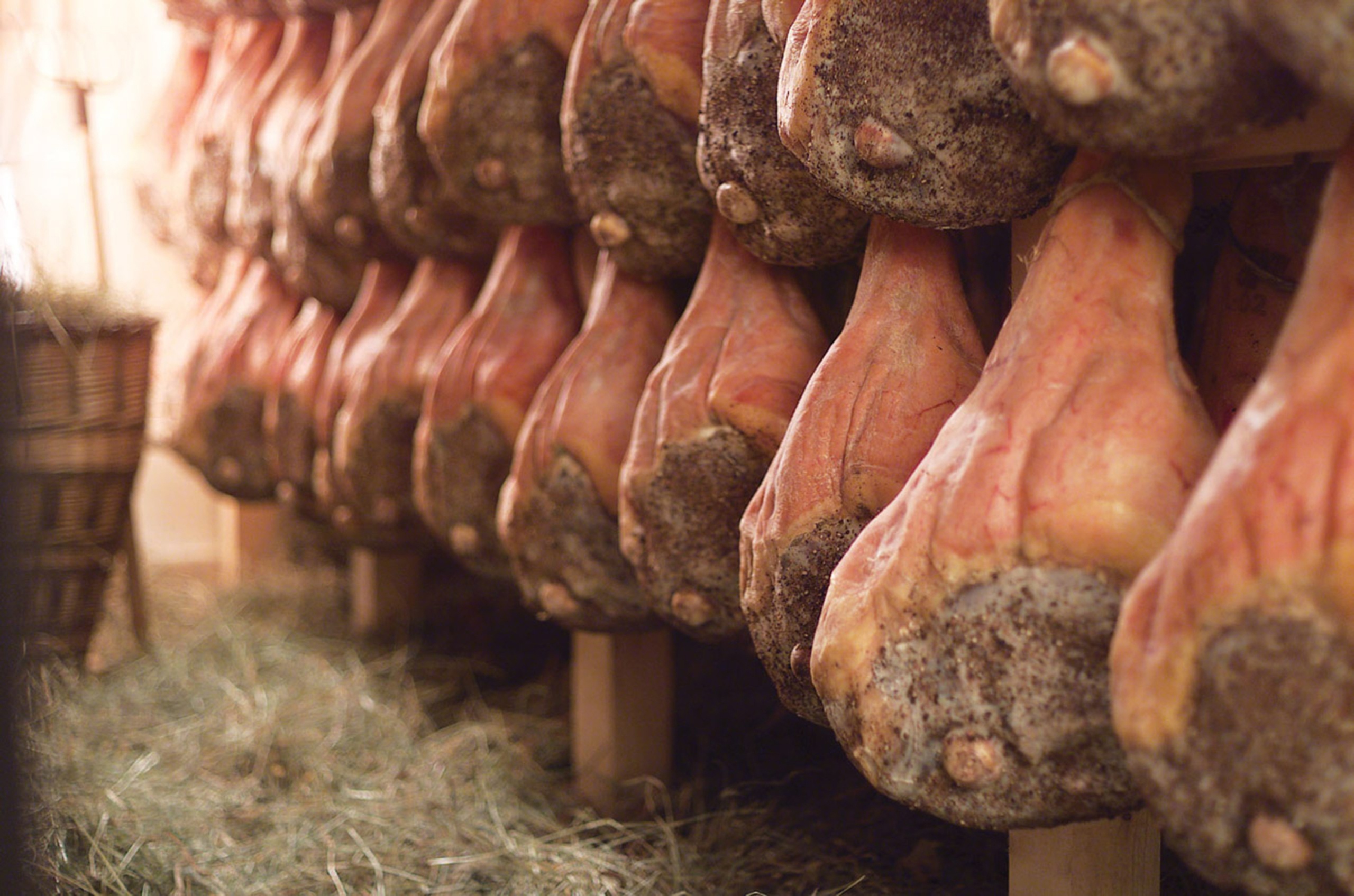
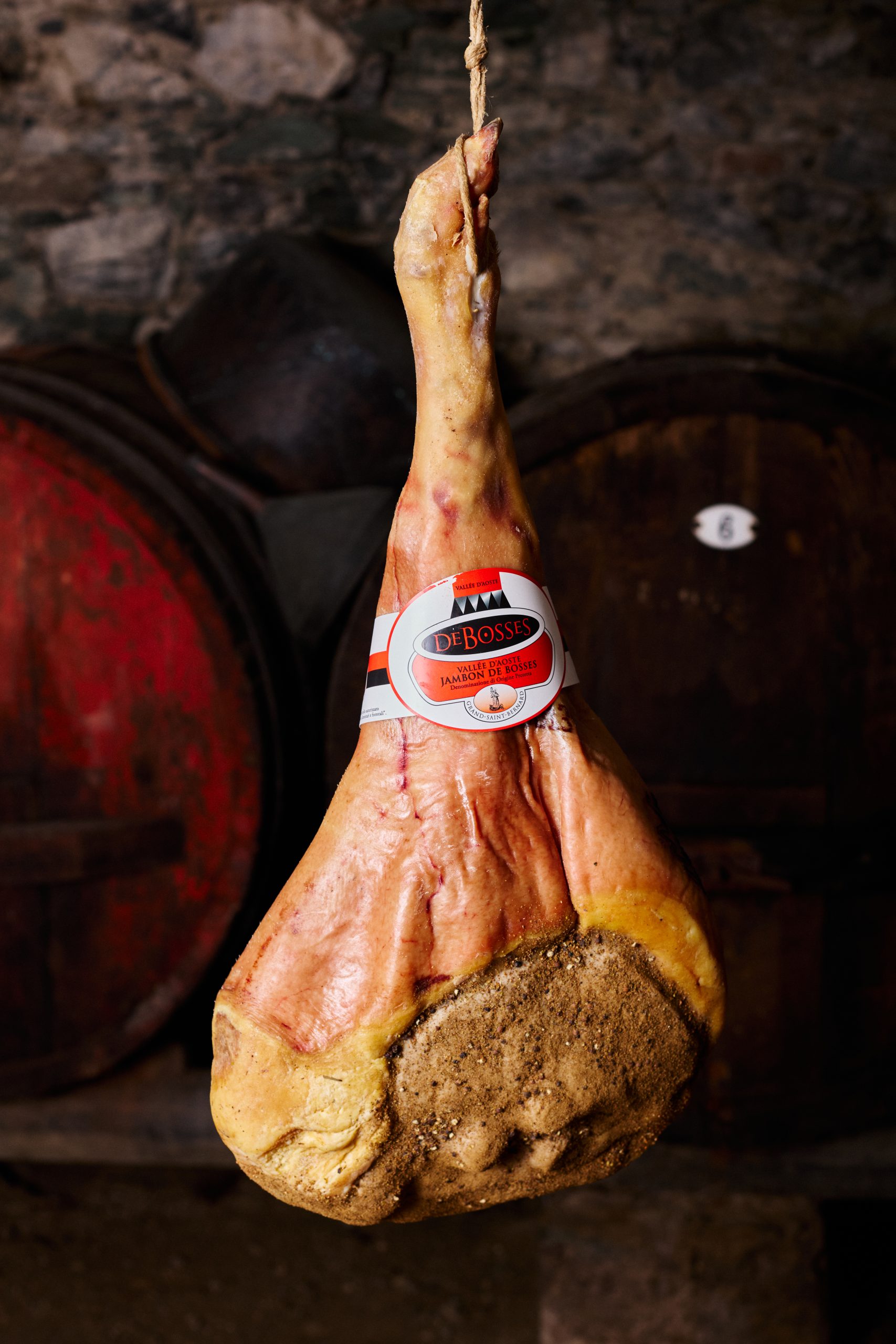
Raw ham seasoned with Alpine herbs and aged on high-mountain hay, made according to a recipe dating back to 1397.
The Jambon de Bosses PDO is a one-of-a-kind high-mountain raw ham. Its production is attested to by a notarial document from 1397, preserved in the historical archives of the Great St. Bernard Hospice.
In the village of Saint-Rhémy, you can tour the curing facility and taste hand-sliced ham at the village’s ham shops and restaurants.
Traditional Aosta Valley cuisine, polenta concia, alpine cheeses, and the valley’s famous hams in the villages and high-altitude mountain huts.
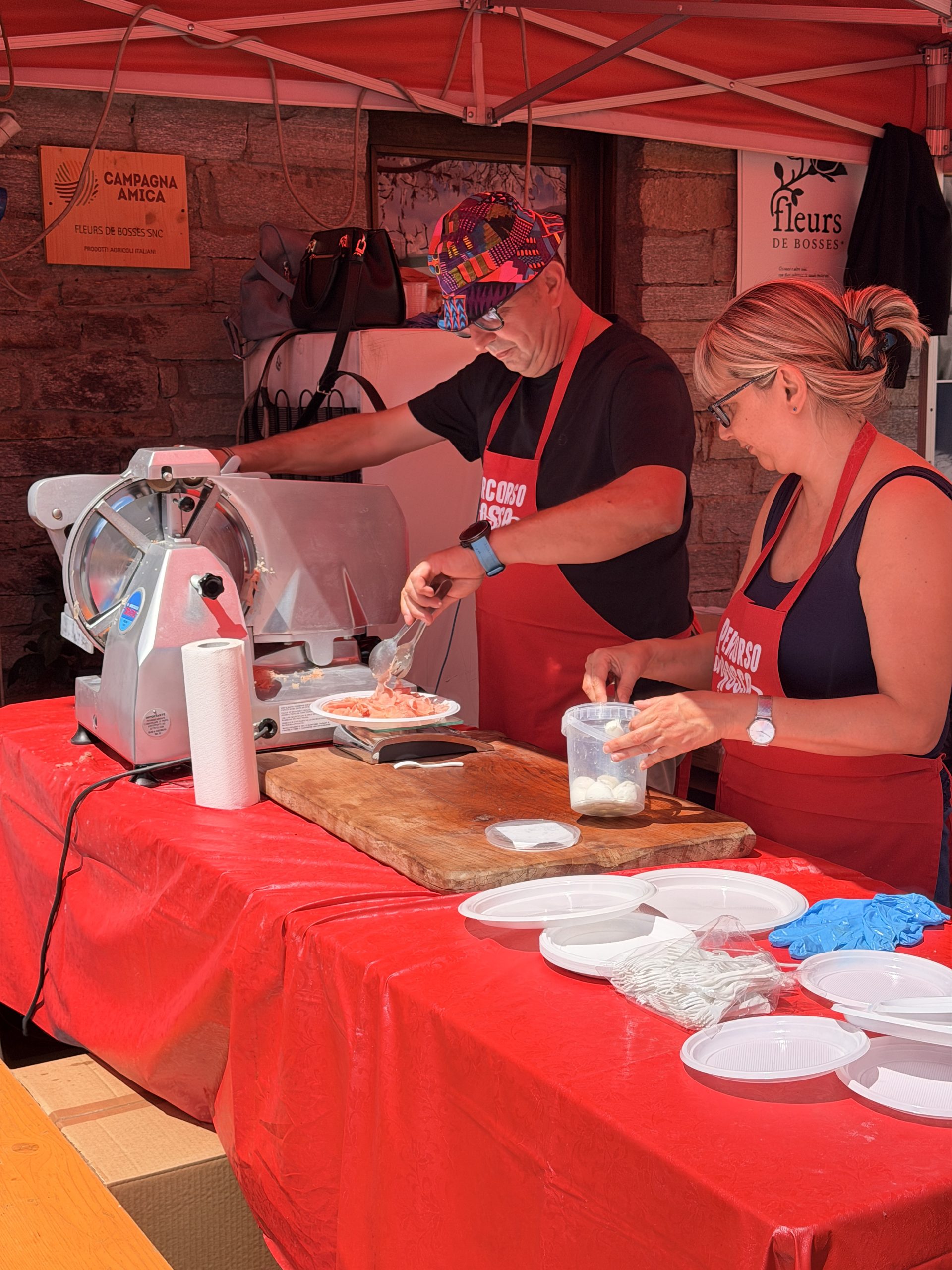
Major events celebrating the culinary and wine excellence of the Upper Gran San Bernardo Valley: historic festivals, tastings in the villages, and traditional flavors to experience and savor in every season.
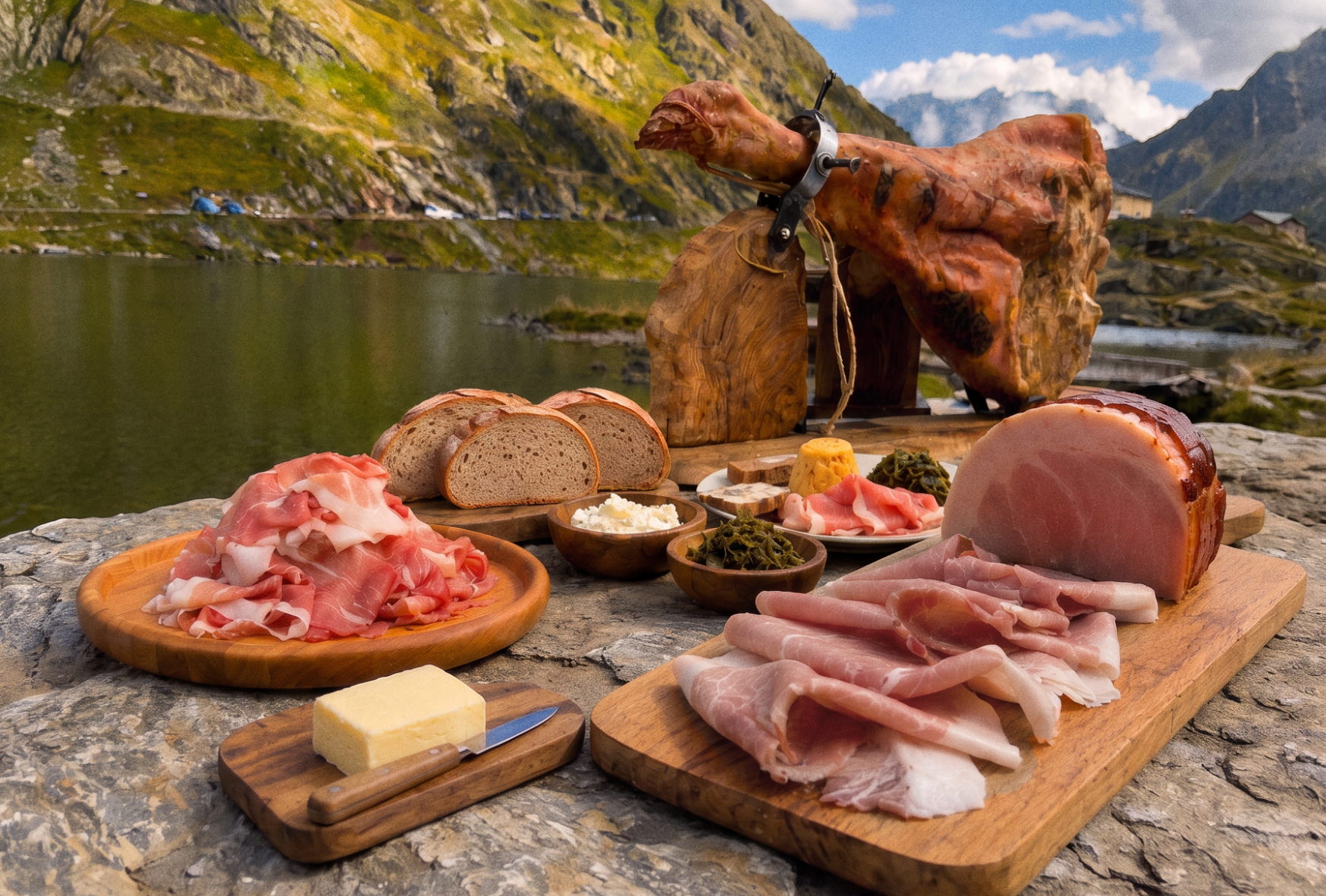
Two unique hams just a few kilometers apart along the Via Francigena: the Jambon de Bosses DOP, a raw alpine ham, and the Jambon alla Brace di Saint-Oyen, a oven-baked ham.
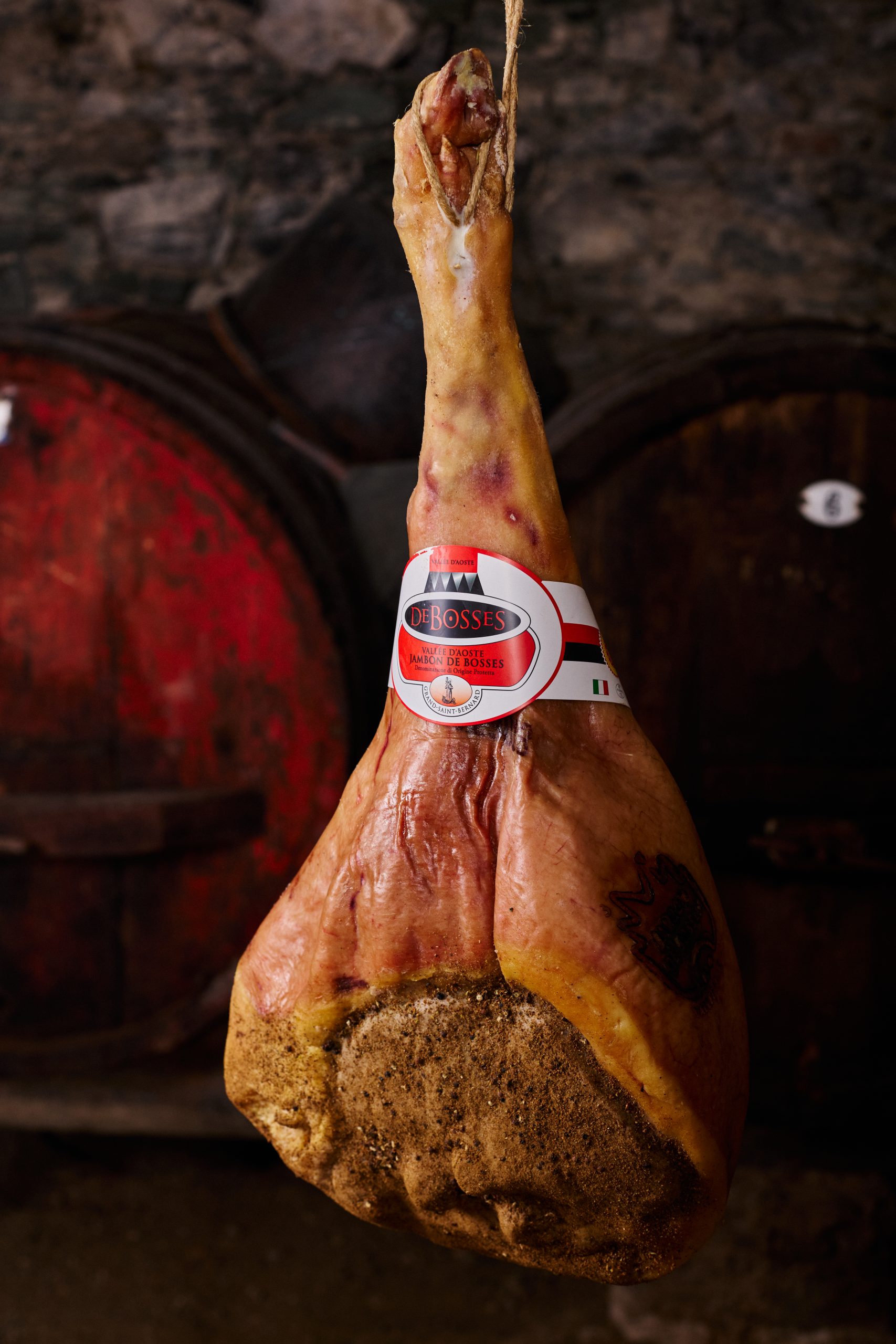
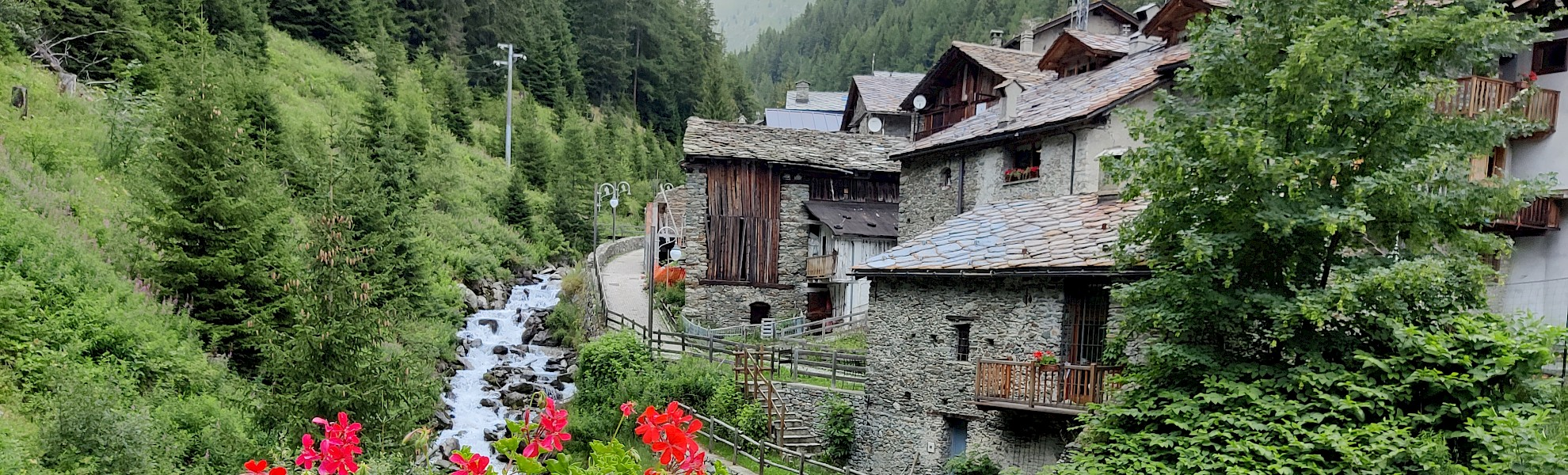
At 1,632 meters, the last village before the pass: the story of the Marronniers and the Soldats de la neige, the medieval Castle, the Jambon de Bosses DOP, and skiing at Crévacol.
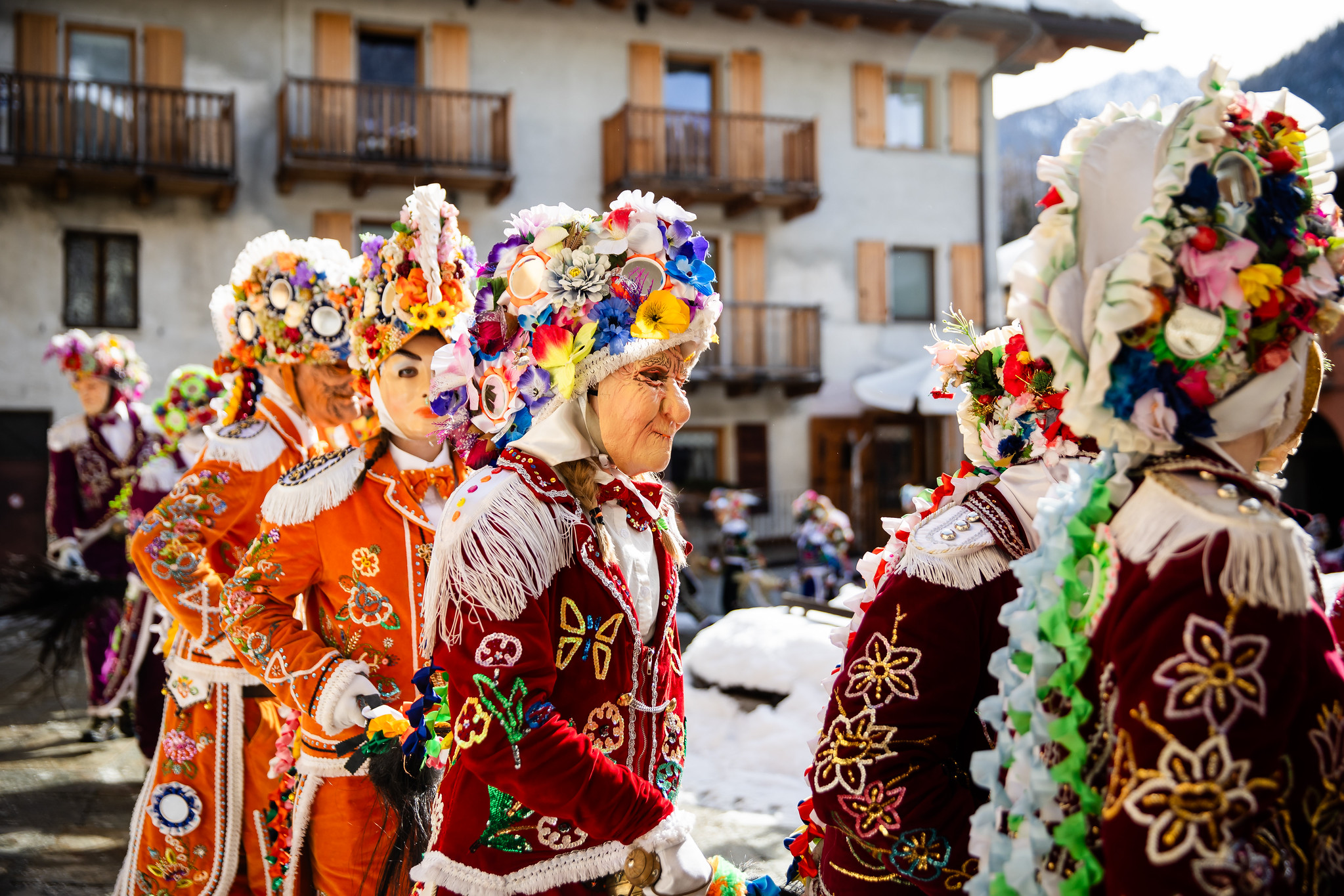
An Alpine tradition where the memory of Napoleon’s passage meets the ancient rituals to ward off the end of winter.
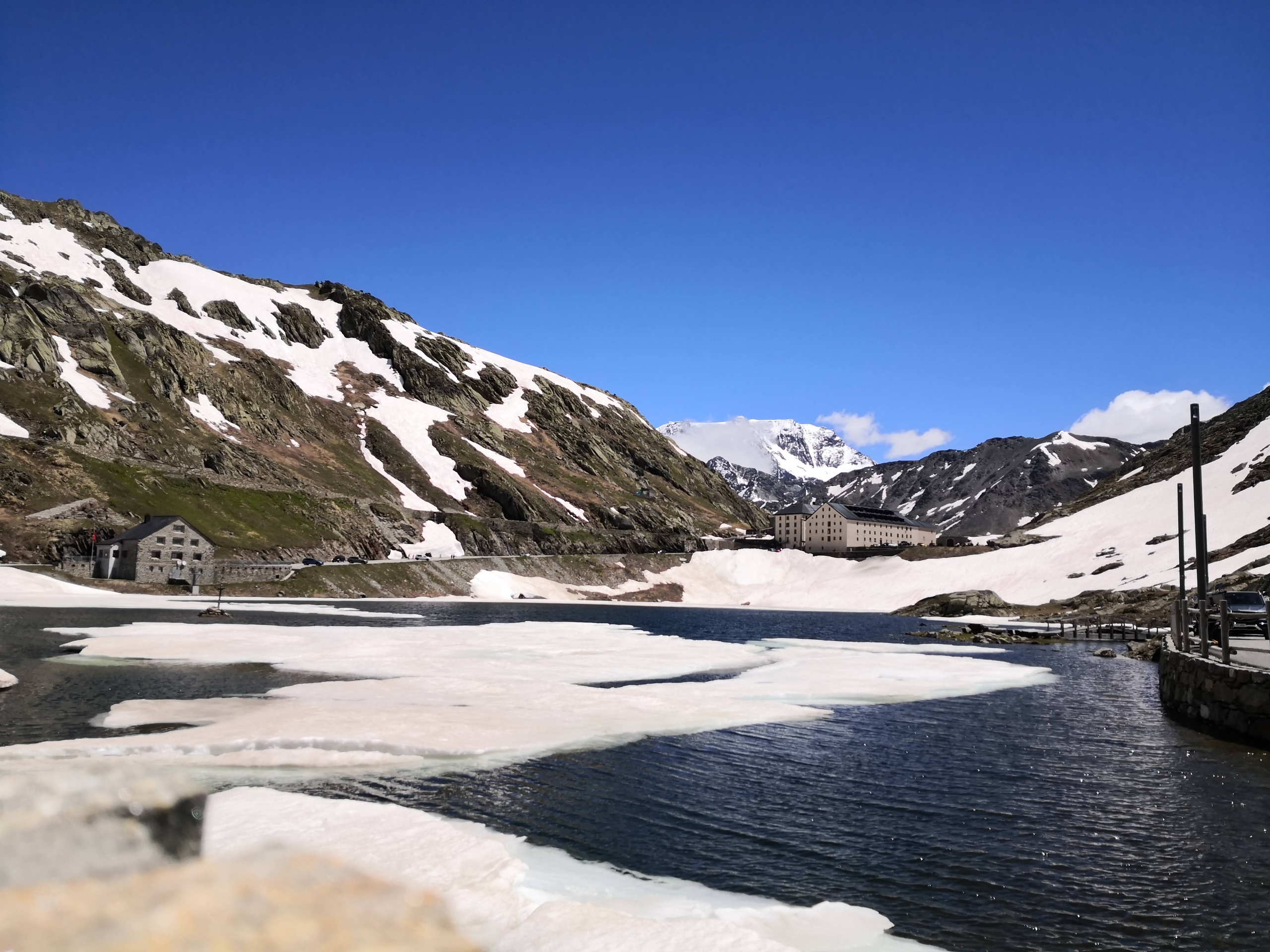
La franchigia sabauda dell'XI secolo, le prime guide alpine e il passaggio dell'esercito napoleonico nel 1800