
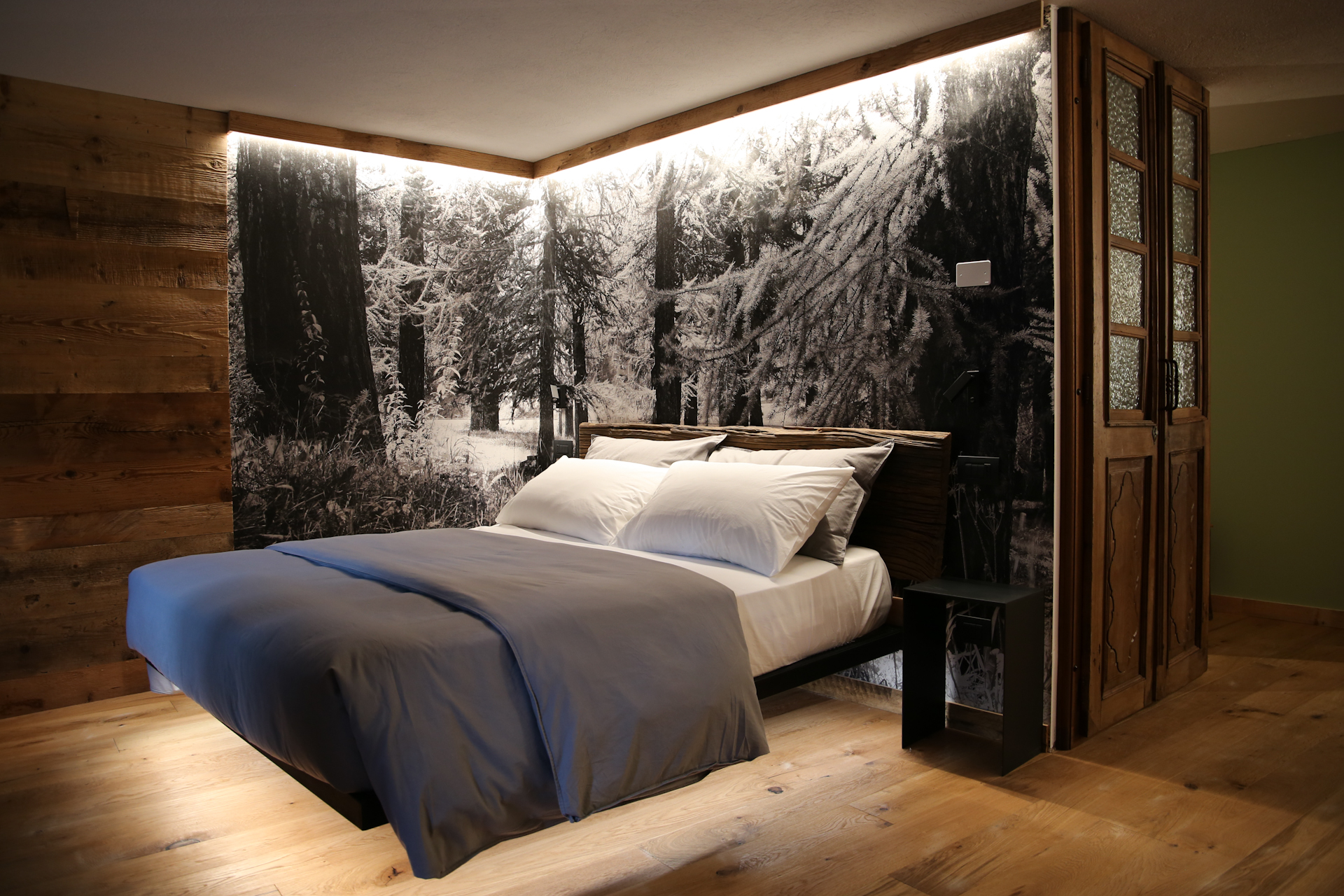
Where to stay
Historic hotels, charming B&Bs, campsites, and mountain huts among the villages of Étroubles, Saint-Oyen, and Saint-Rhémy-en-Bosses.
At 1,632 meters, the last village before the pass: the story of the Marronniers and the Soldats de la neige, the medieval Castle, the Jambon de Bosses DOP, and skiing at Crévacol.
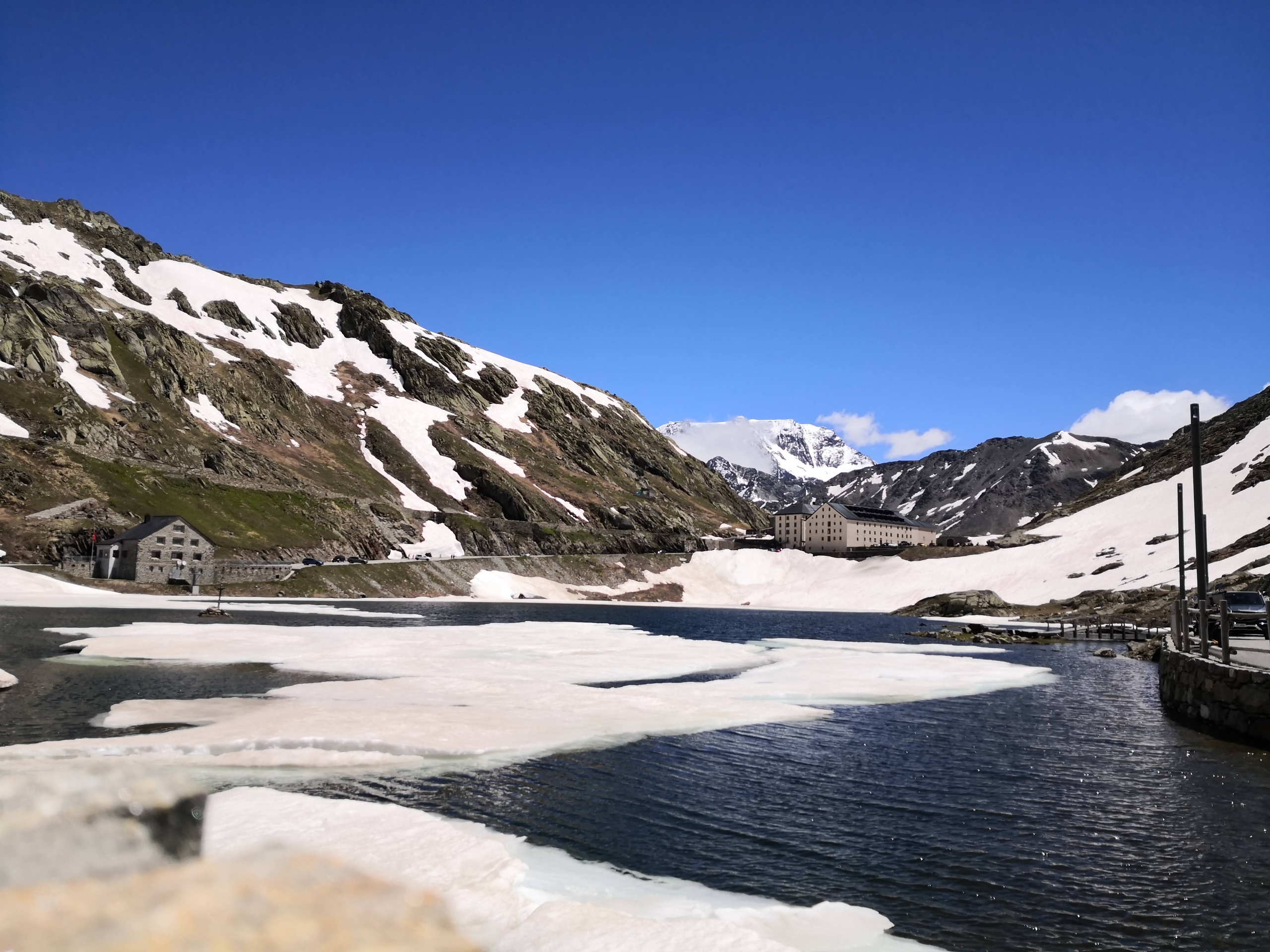
At 1,632 meters above sea level, Saint-Rhémy-en-Bosses is the last Italian municipality along the climb toward the Great St Bernard Pass and the Swiss border.
A transit point traveled for centuries by wayfarers, pilgrims, and armies, the village preserves alpine stone-and-wood architecture dominated by the profile of the fifteenth-century Castle of the Lords of Bosses.
Whether you’re descending from the pass or climbing toward the peaks, stop to discover this ancient border village.
Historic hotels, charming B&Bs, campsites, and mountain huts among the villages of Étroubles, Saint-Oyen, and Saint-Rhémy-en-Bosses.
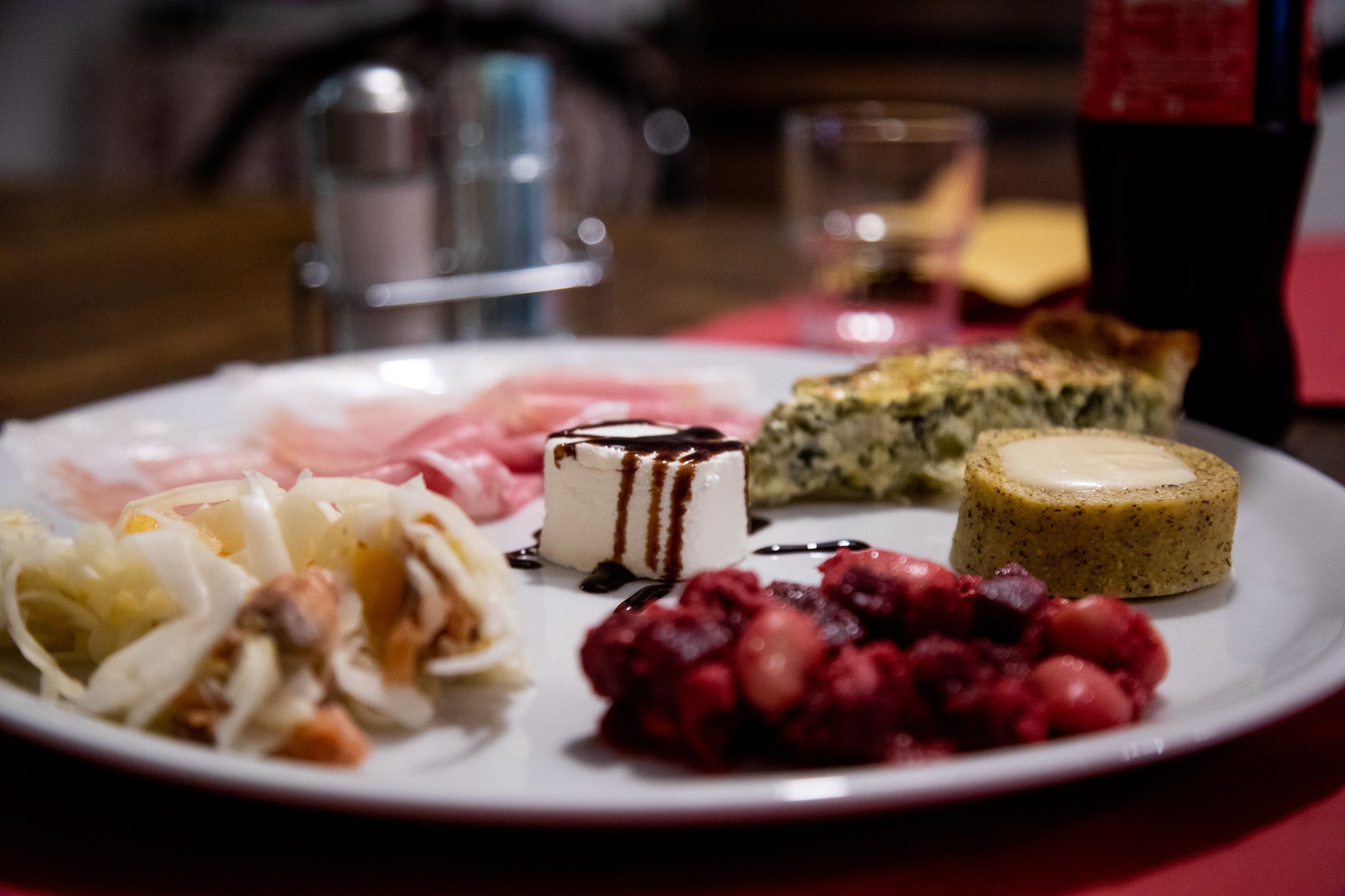
Traditional Aosta Valley cuisine, polenta concia, alpine cheeses, and the valley’s famous hams in the villages and high-altitude mountain huts.
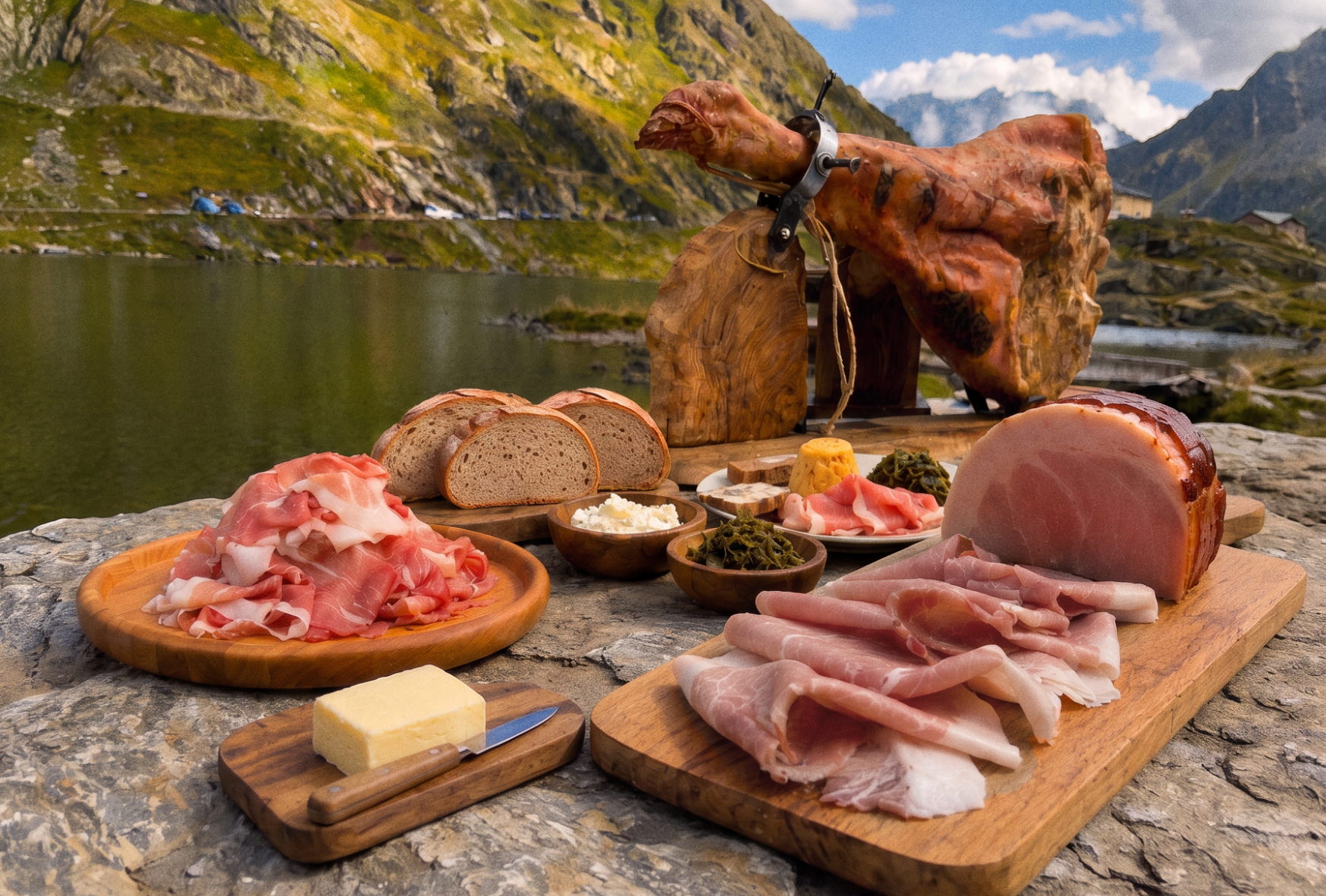
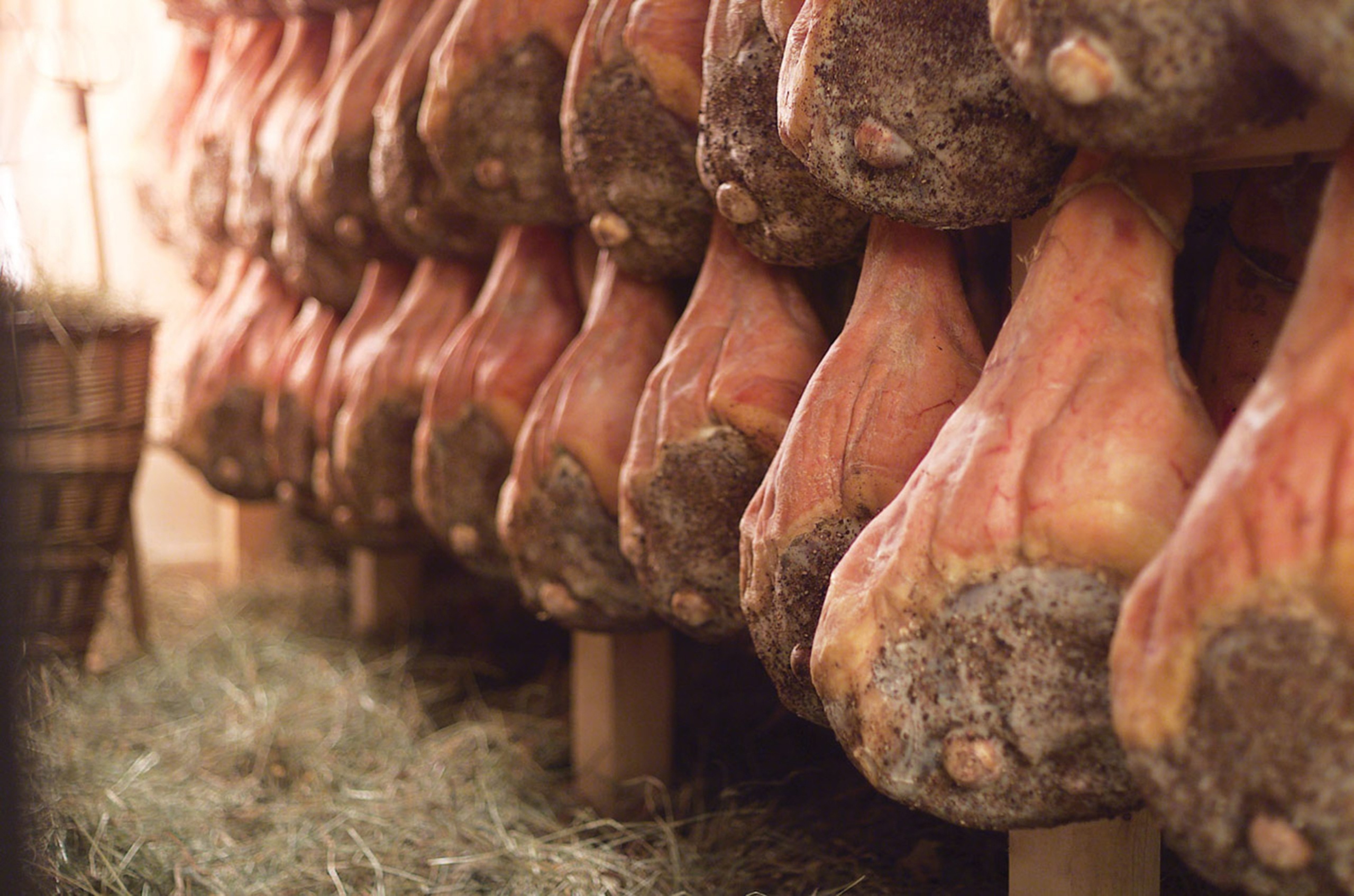
Two unique hams just a few kilometers apart along the Via Francigena: the Jambon de Bosses DOP, a raw alpine ham, and the Jambon alla Brace di Saint-Oyen, a oven-baked ham.
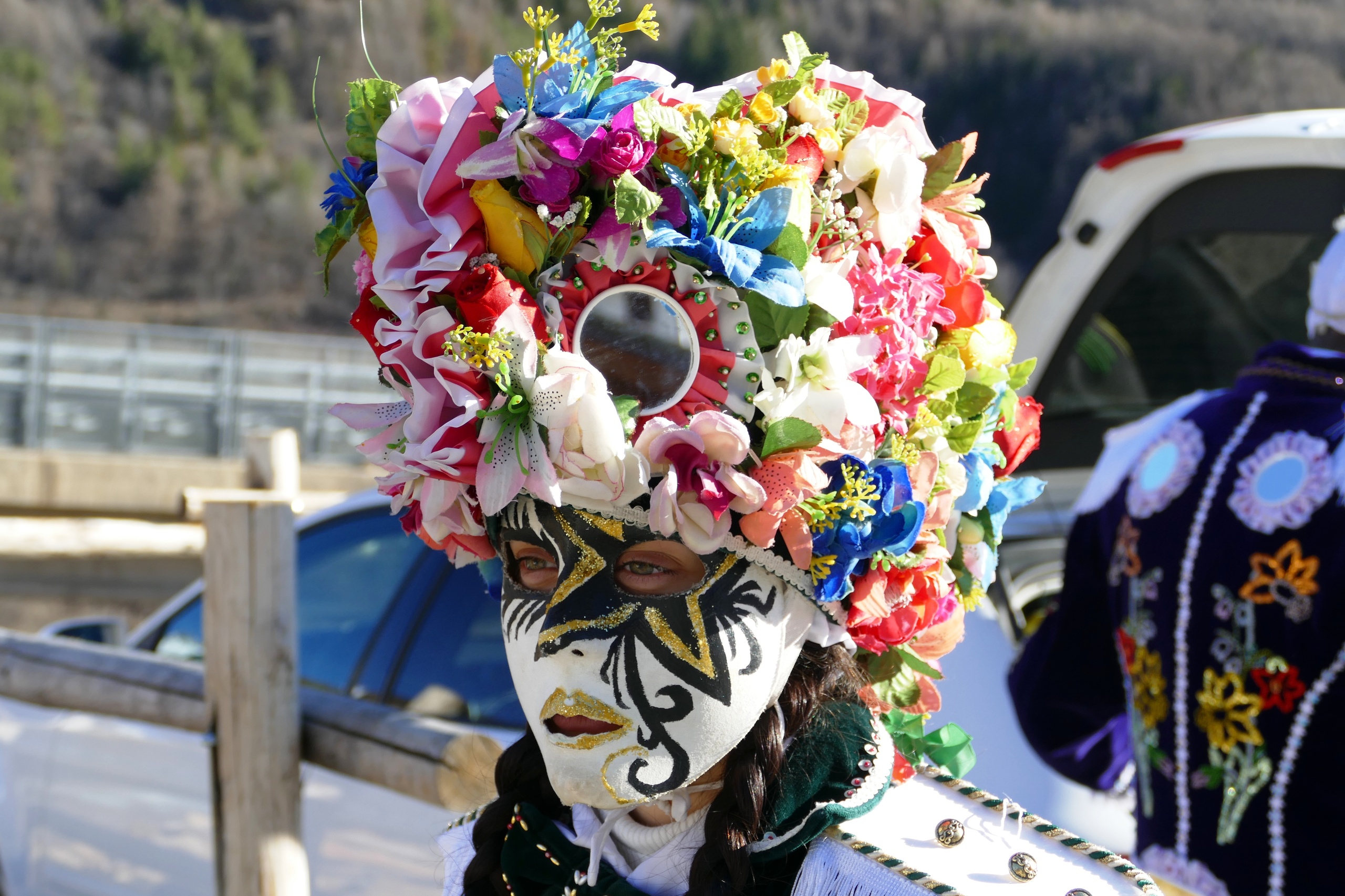

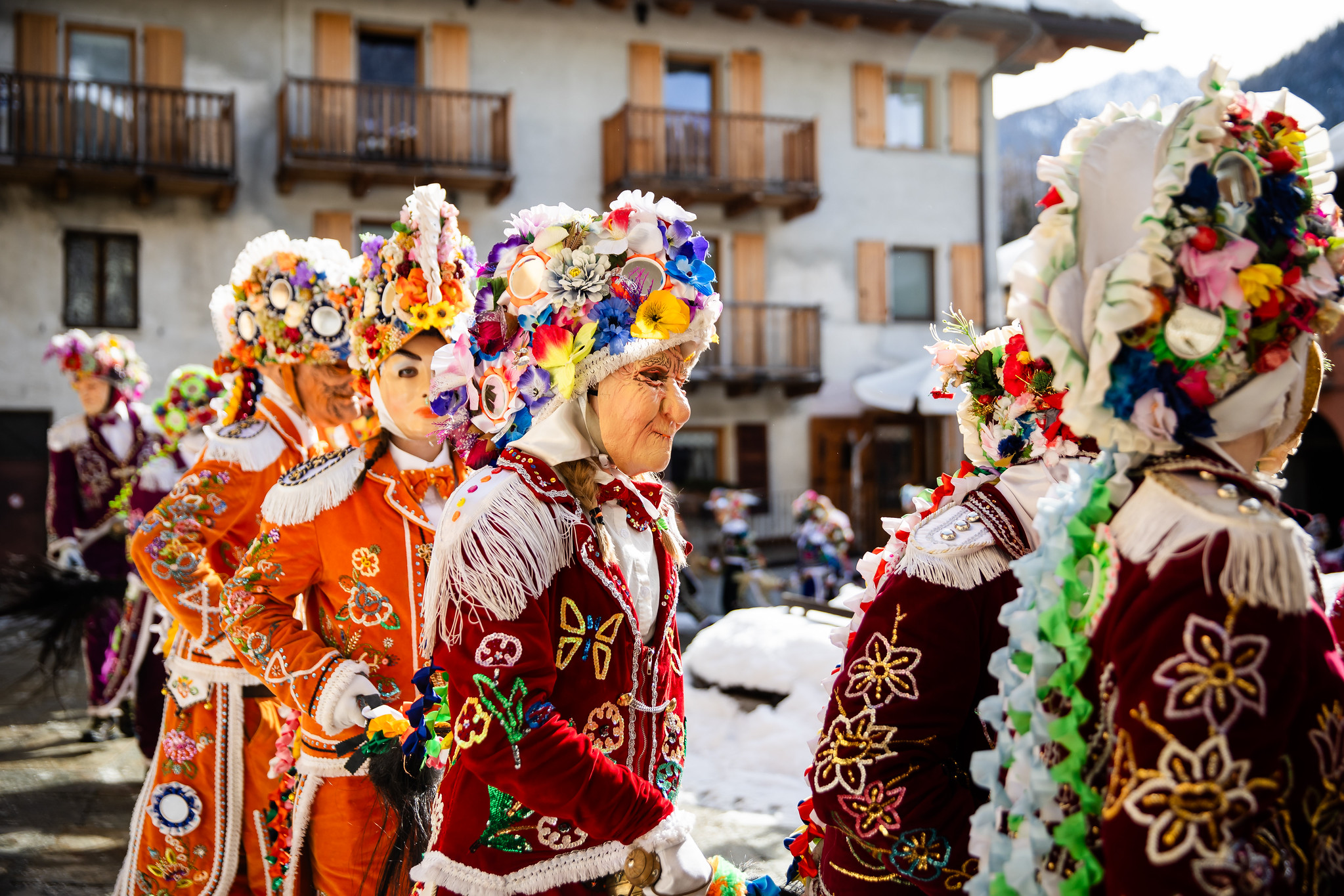
An Alpine tradition where the memory of Napoleon’s passage meets the ancient rituals to ward off the end of winter.
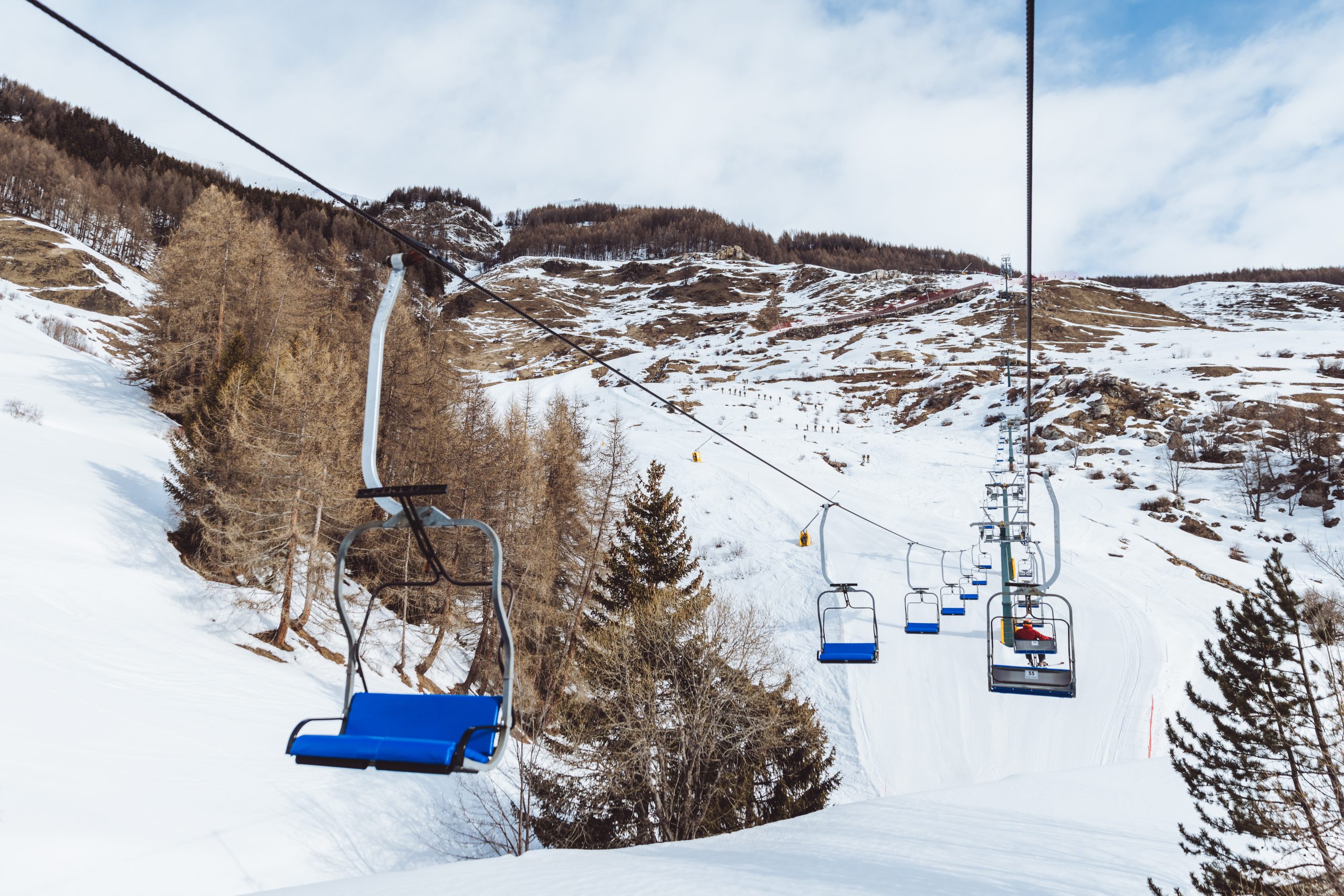
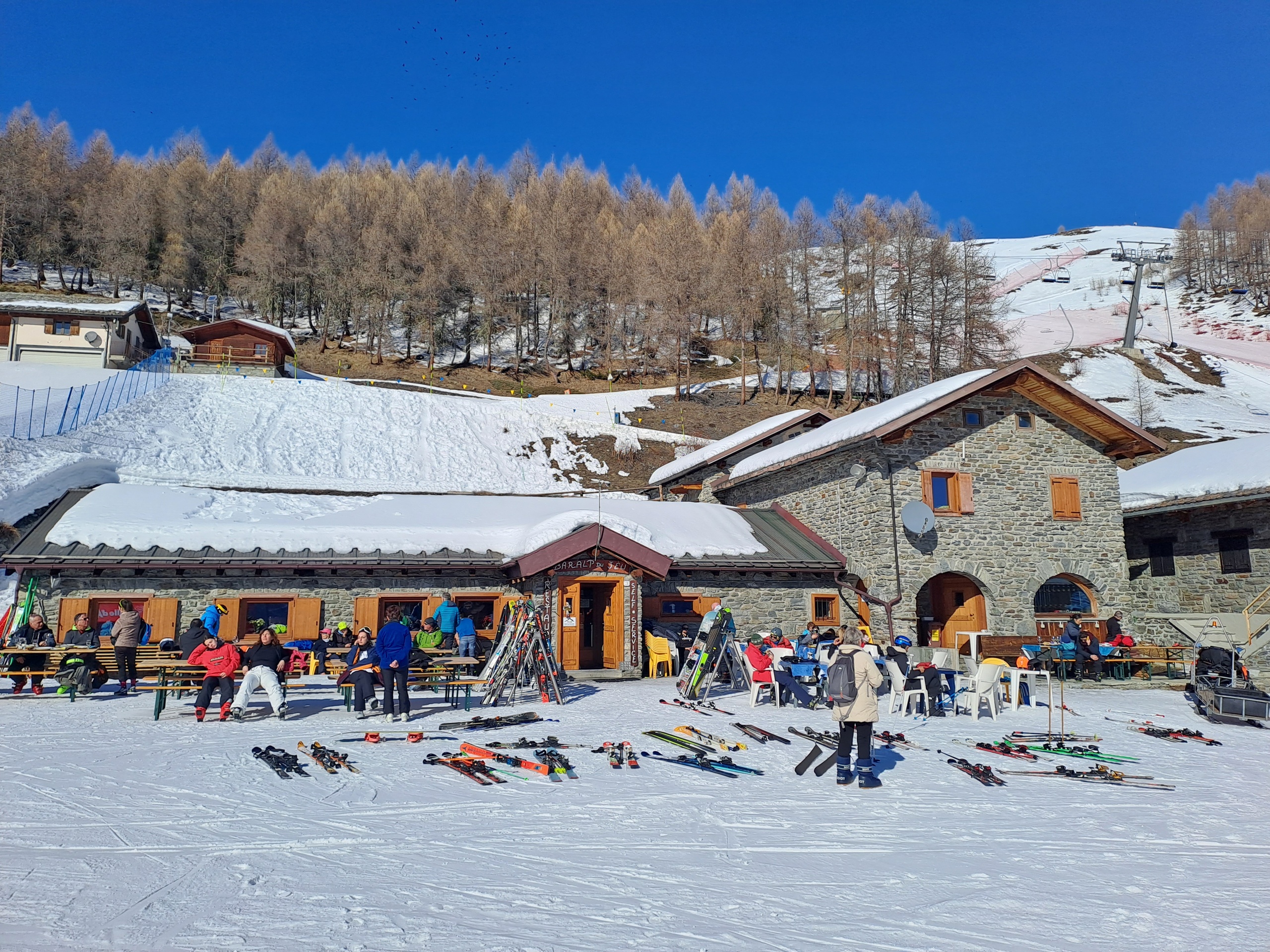
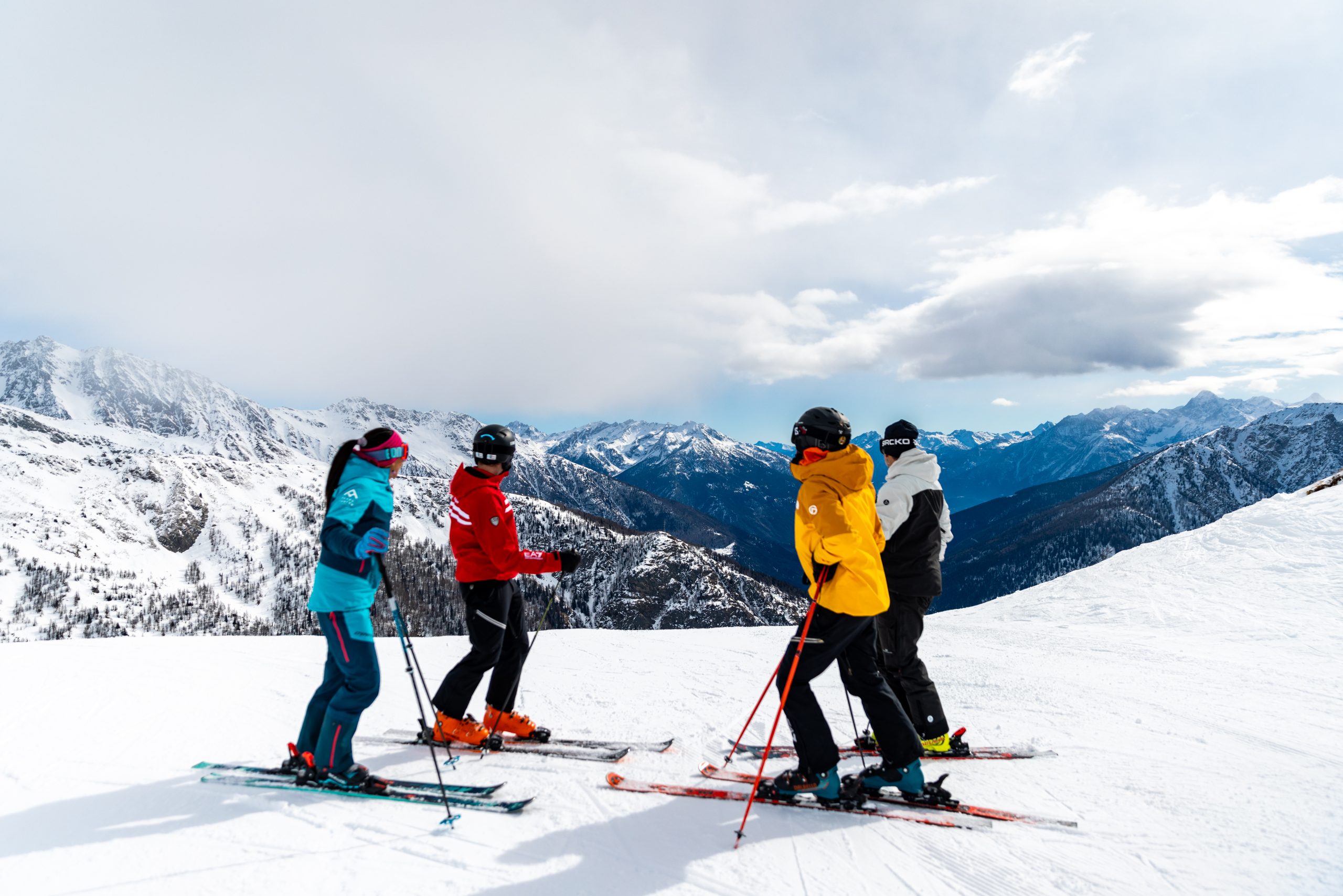
22 km of south-facing ski slopes, a paradise for ski mountaineering, and a stop along the Via Francigena and the Alta Via 1.
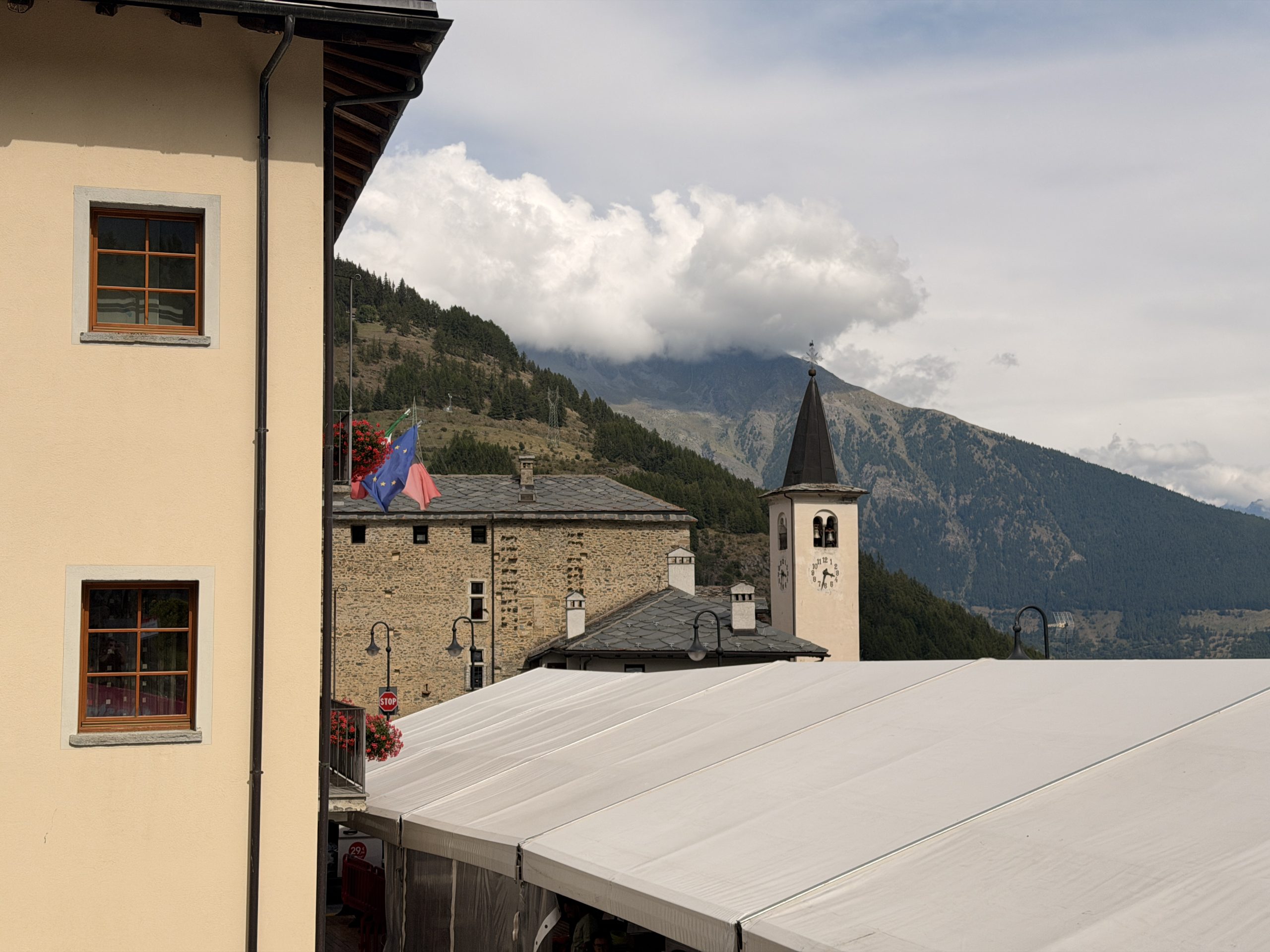
A 15th-century medieval manor in Saint-Rhémy: a defensive noble residence and a venue for exhibitions and cultural events.
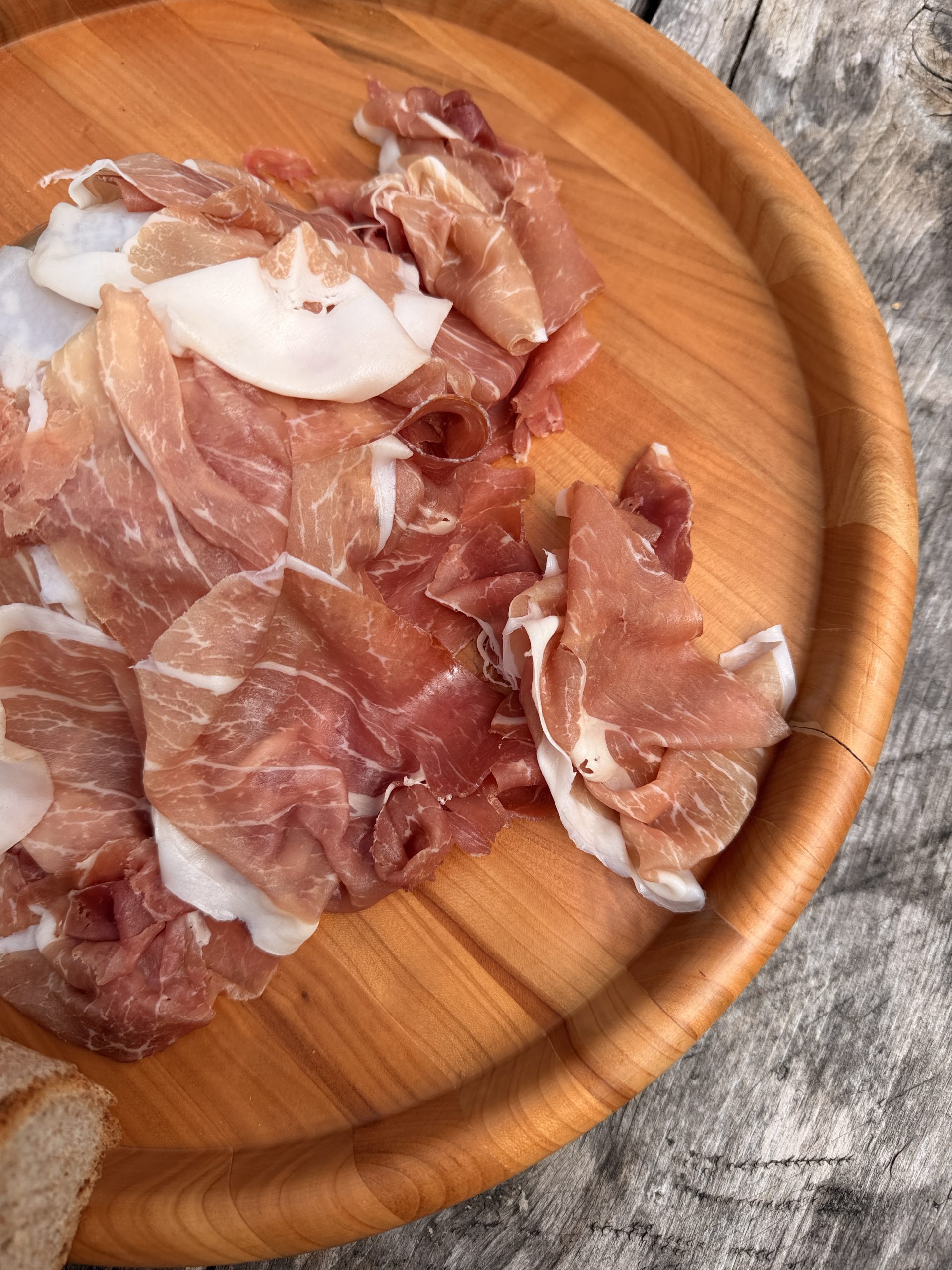
Raw ham seasoned with Alpine herbs and aged on high-mountain hay, made according to a recipe dating back to 1397.
La franchigia sabauda dell'XI secolo, le prime guide alpine e il passaggio dell'esercito napoleonico nel 1800