
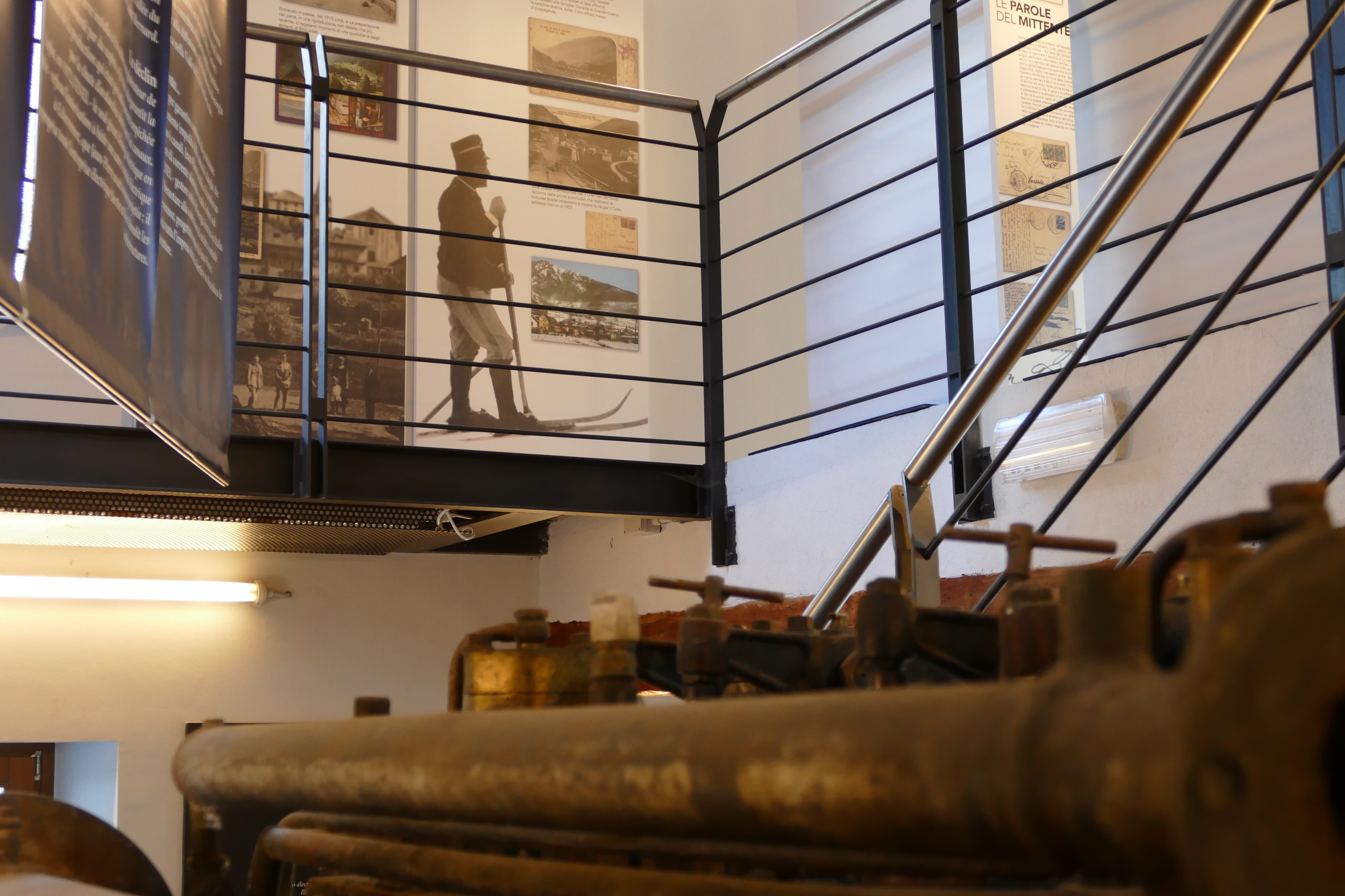
Spazi espositivi e musei di Étroubles
La prima Latteria Turnaria del 1853 e la Centralina Idroelettrica Bertin del 1904: memoria contadina e pionierismo tecnologico nel borgo di Étroubles.
Made exclusively from raw whole milk from cows in the Aosta Valley: the flavor of high-altitude summer pastures and aging in ancient tunnels.
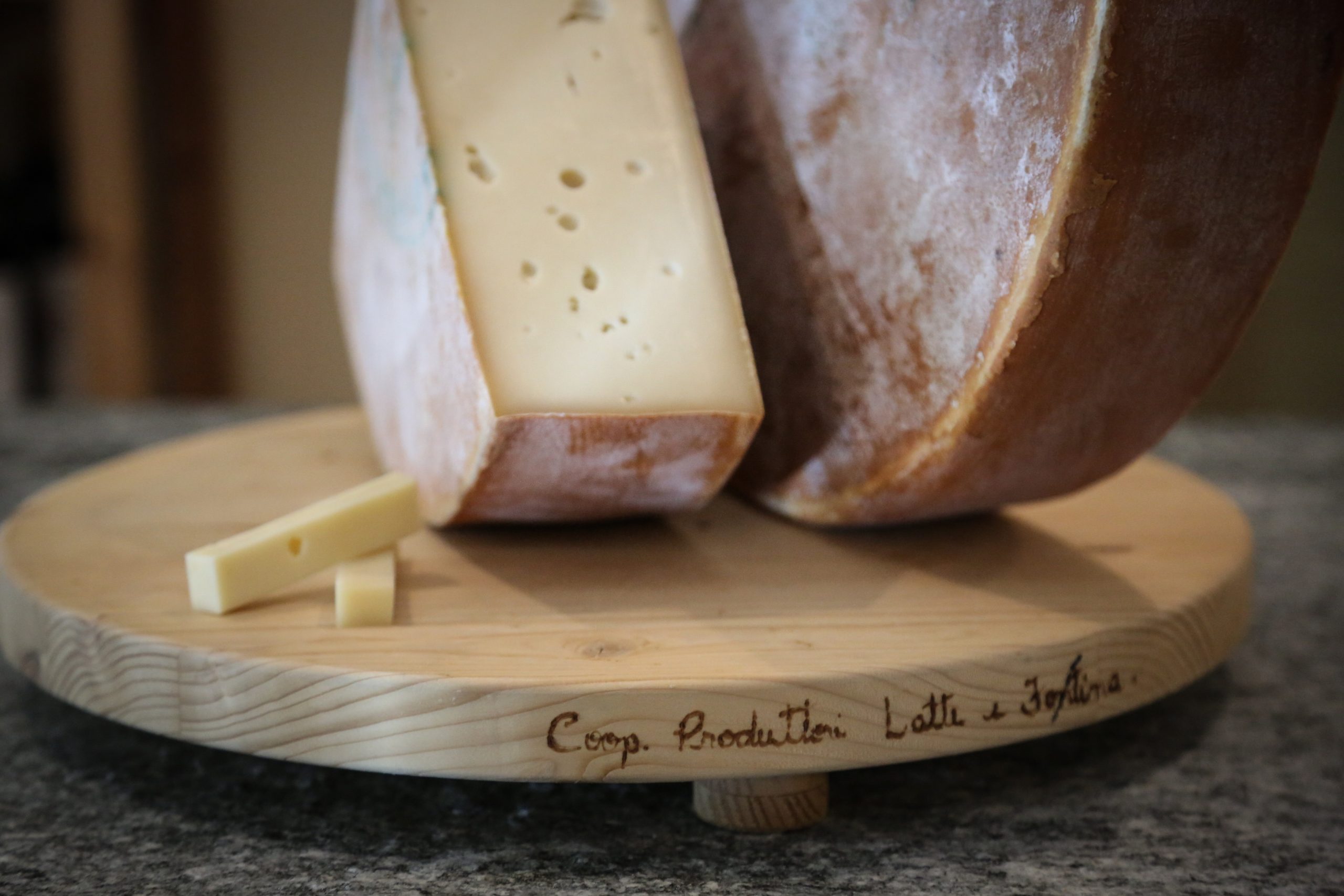
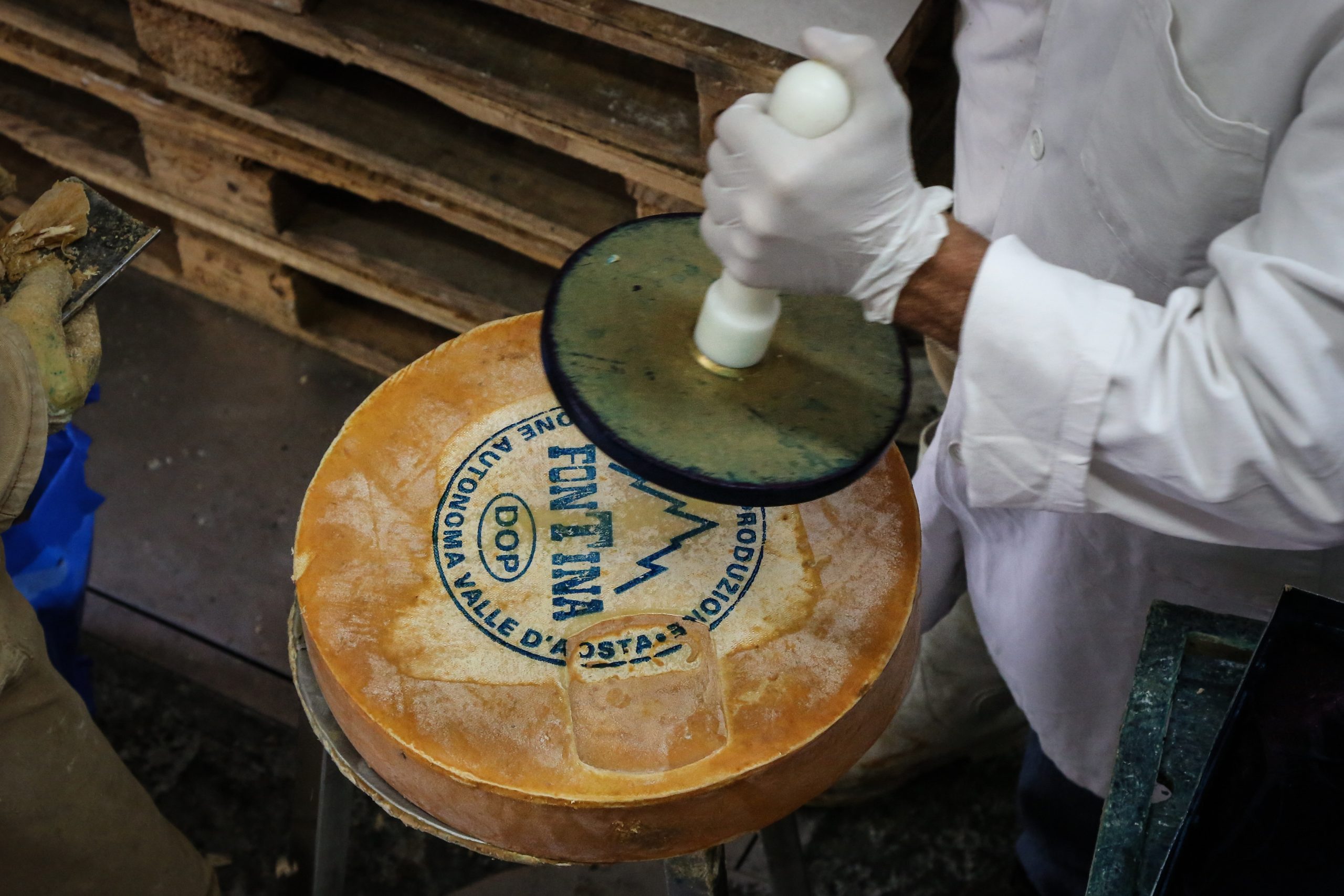
Fontina DOP is one of the most renowned alpine cheeses in the world. It is produced exclusively from raw whole milk from Valdostana cows (red-spotted and black-and-brown-spotted), processed within a few hours of milking to preserve the natural cultures and aromas of the alpine pastures.
During the summer months, the herds are taken up to the mountain pastures of the Upper Great St. Bernard Valley, at an elevation of over 2,000 meters.
Summer alpine Fontina takes on a more intense straw-yellow color and a rich aromatic profile with floral notes, thanks to the extraordinary variety of mountain herbs and flowers grazed by the animals.
Alongside Fontina, the farming tradition produces:
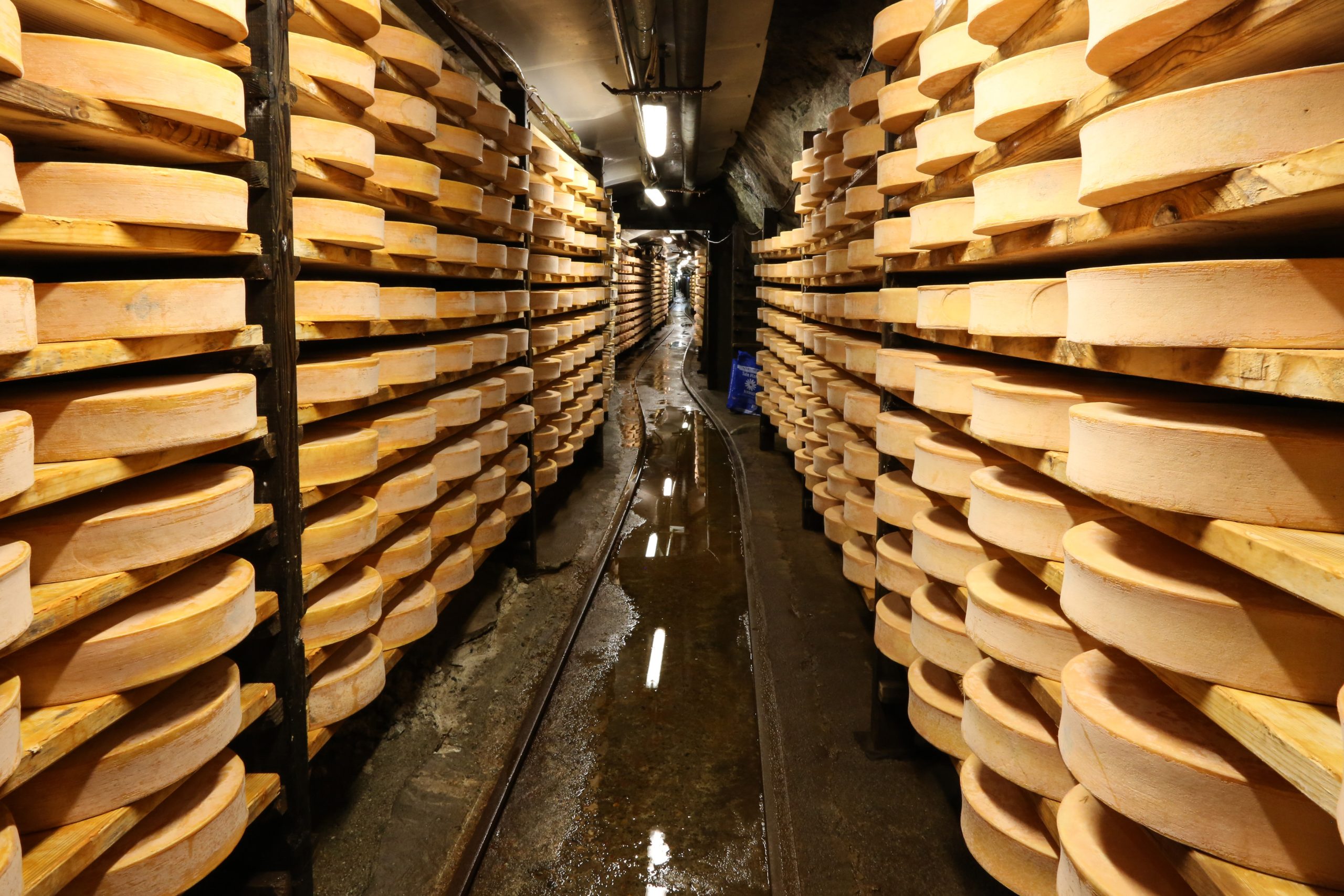
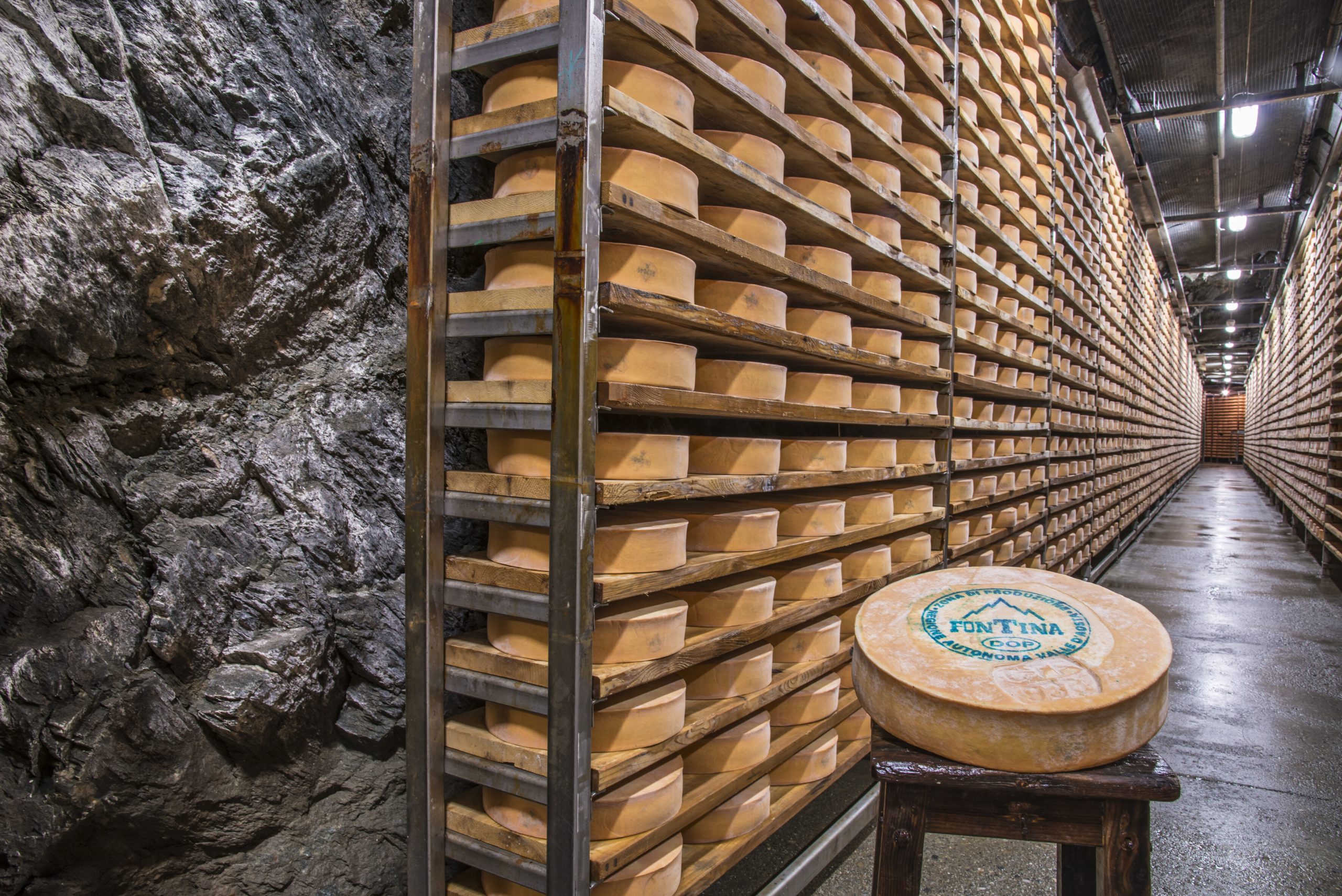
Each wheel of Fontina DOP is aged for at least 3 months on spruce boards at a constant temperature (about 10°C) and extremely high humidity (over 90%).
A few kilometers from the valley, in the town of Valpelline, is the Fontina Visitor Center, where you can tour the spectacular storage chambers carved into the ancient tunnels of the copper mines, capable of holding thousands of wheels as they age.
Taste Fontina d’Alpeggio at mountain huts, historic communal dairies, and local restaurants throughout the valley.
La prima Latteria Turnaria del 1853 e la Centralina Idroelettrica Bertin del 1904: memoria contadina e pionierismo tecnologico nel borgo di Étroubles.
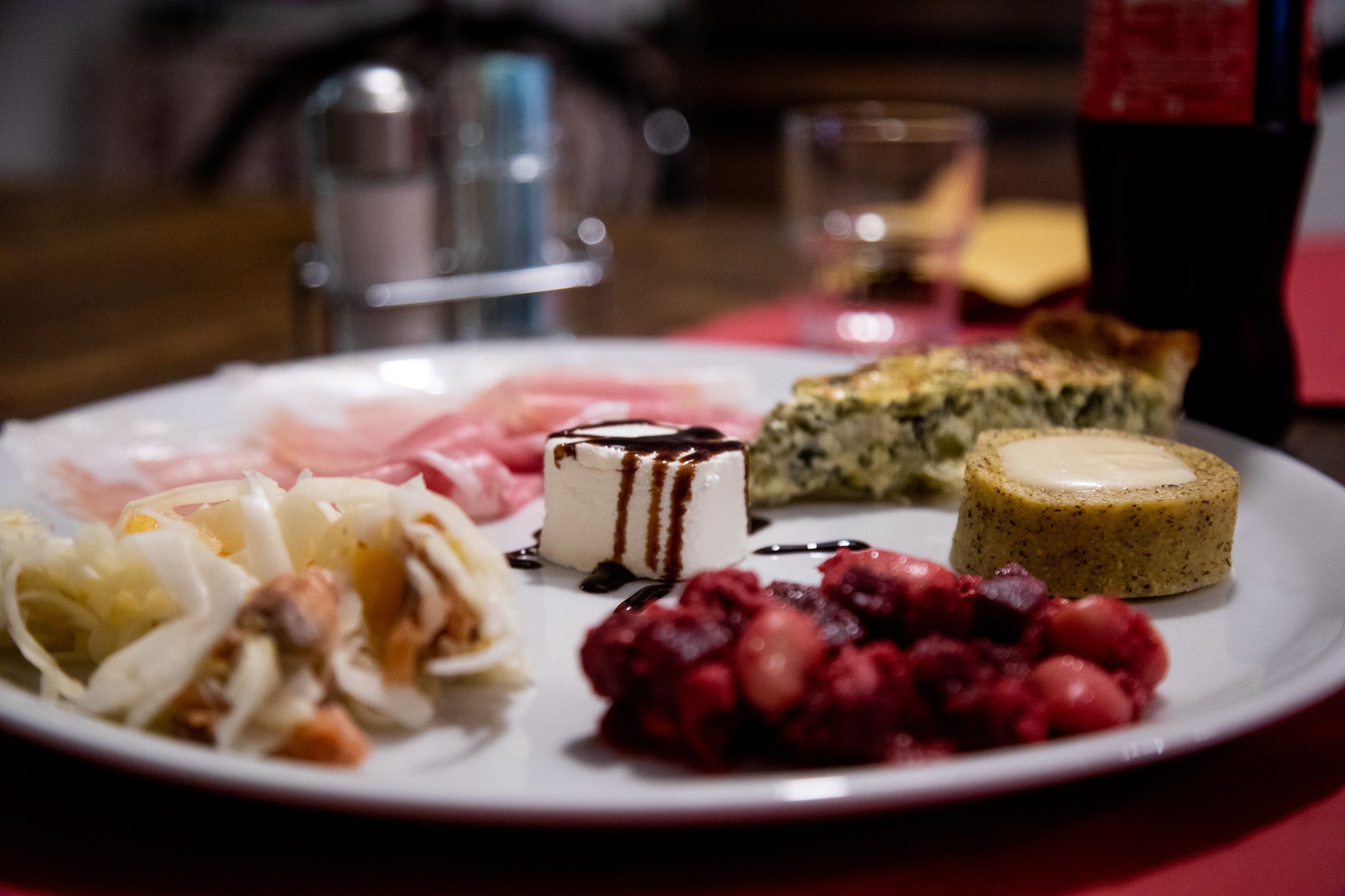
Traditional Aosta Valley cuisine, polenta concia, alpine cheeses, and the valley’s famous hams in the villages and high-altitude mountain huts.
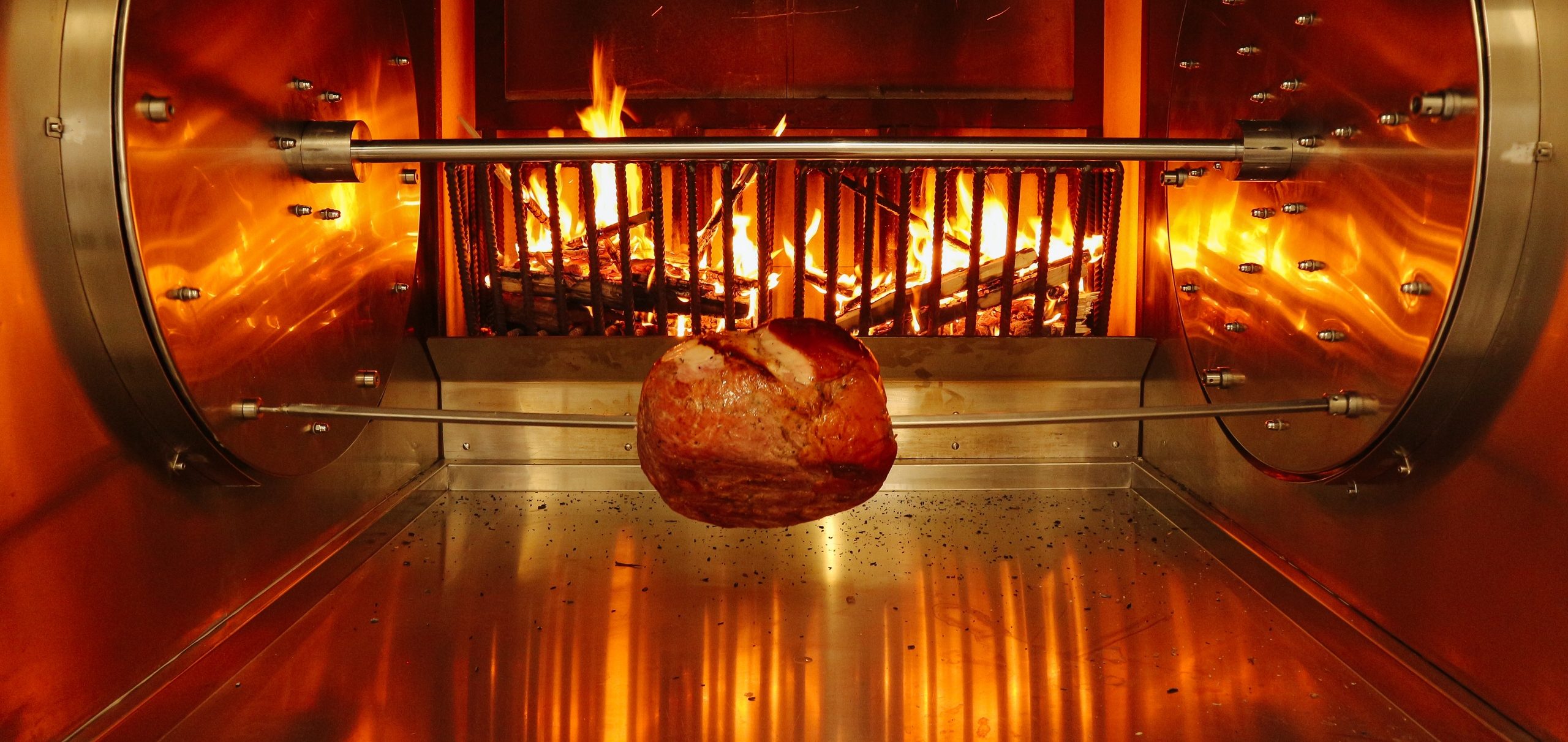
The first and only cooked ham from the Aosta Valley: artisanal production, slow steam cooking, and roasting over charcoal in a wood-fired oven with genepy and local beer.
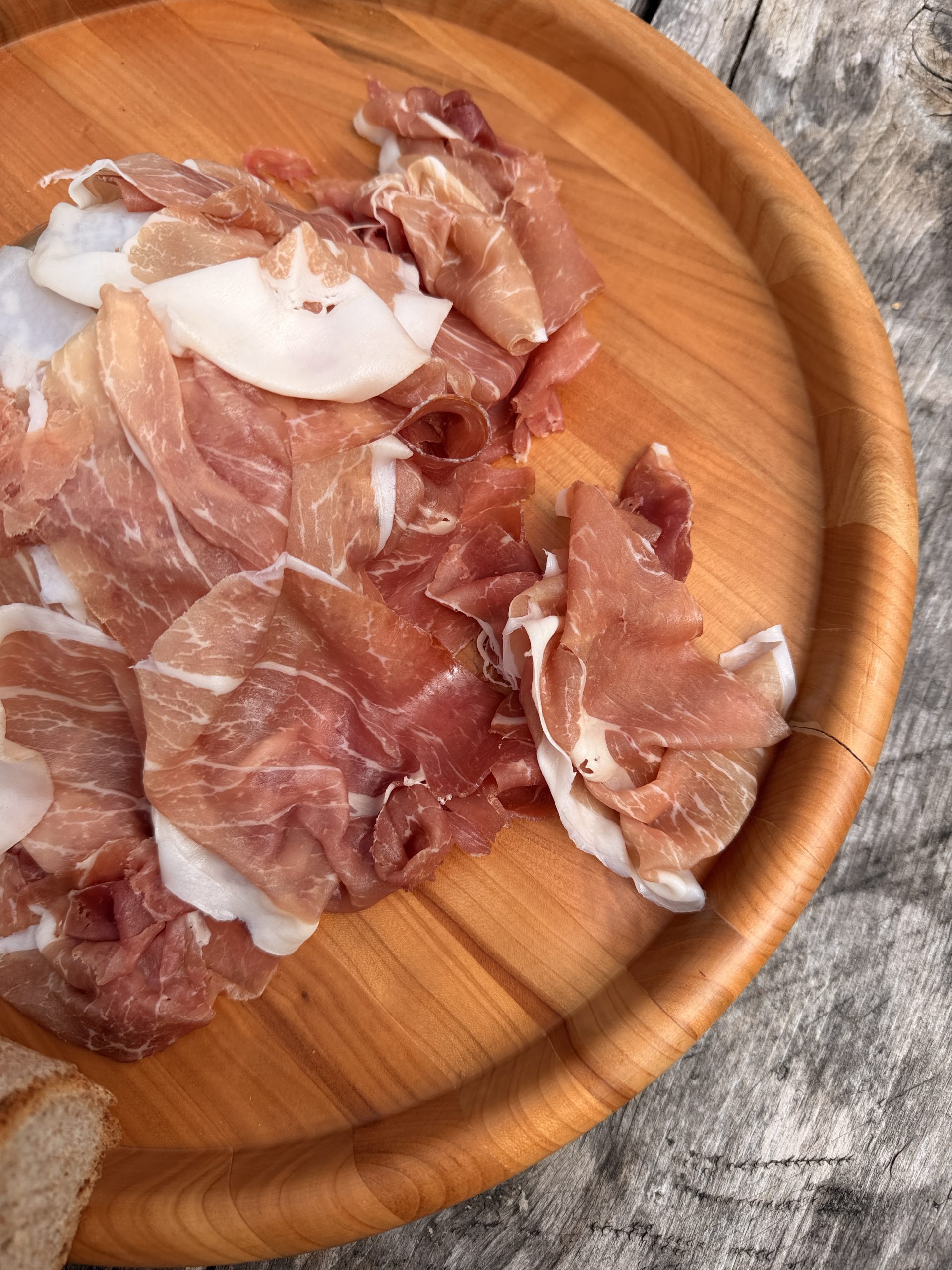
Raw ham seasoned with Alpine herbs and aged on high-mountain hay, made according to a recipe dating back to 1397.