
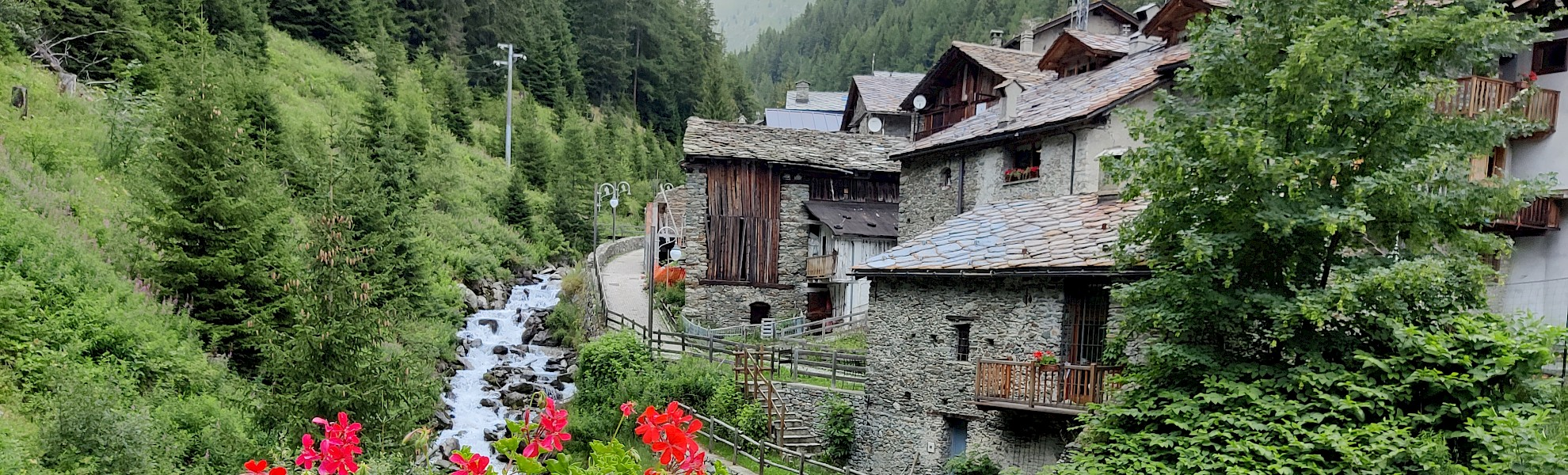
Saint-Rhémy-en-Bosses
At 1,632 meters, the last village before the pass: the story of the Marronniers and the Soldats de la neige, the medieval Castle, the Jambon de Bosses DOP, and skiing at Crévacol.
A historic border outpost at an elevation of 2,472 meters, transformed into a space for hospitality, historical remembrance, and high-altitude exhibitions.
Located at the Great St. Bernard Pass, just a short walk from the Italian-Swiss border, the former barracks served for decades as a strategic outpost for transit control and customs surveillance. Originally built as a military outpost and later serving as the headquarters of the Guardia di Finanza, the building bears witness to the long history of surveillance and protection of the Alpine pass.
Acquired by the Municipality of Saint-Rhémy-en-Bosses, the structure has been completely redeveloped through a meticulous conservation and restoration project. The goal: to transform a structure originally built to divide into a meeting place and hub for cross-border cooperation between the Upper Great St. Bernard Valley and the Swiss side of the Pays du Saint-Bernard.
Today, the former barracks serves as a multifunctional center for travelers, hikers, and pilgrims on the Via Francigena.
Inside the building, you’ll find:
At 1,632 meters, the last village before the pass: the story of the Marronniers and the Soldats de la neige, the medieval Castle, the Jambon de Bosses DOP, and skiing at Crévacol.
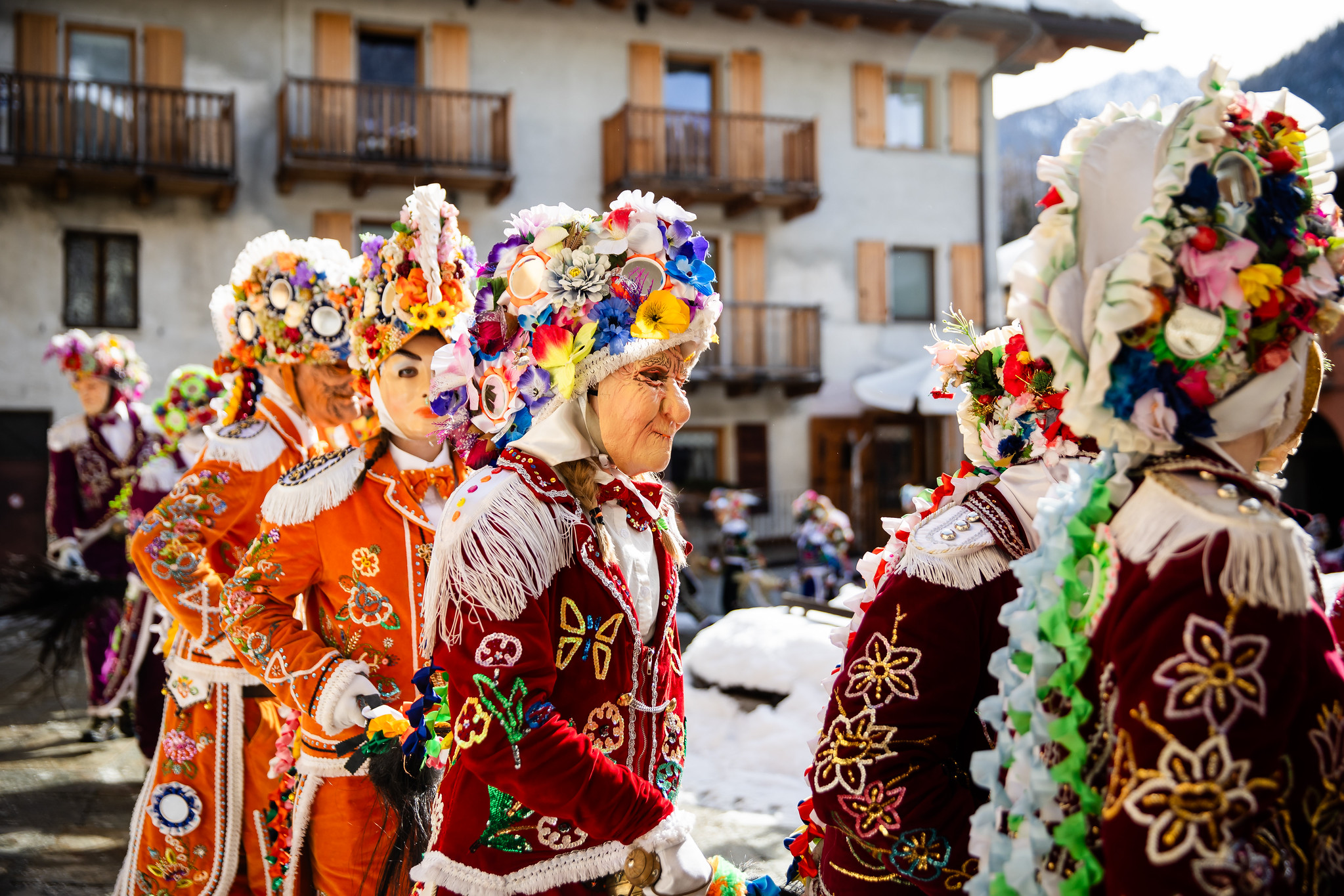
An Alpine tradition where the memory of Napoleon’s passage meets the ancient rituals to ward off the end of winter.

From the Great St. Bernard Pass (2,473 m) to Aosta: Stage 1 of the Via Francigena through the historic villages of Saint-Rhémy, Saint-Oyen, and Étroubles.

The first Latteria Turnaria, established in 1853, and the Bertin Hydroelectric Power Plant, built in 1904: rural heritage and technological innovation in the village of Étroubles.
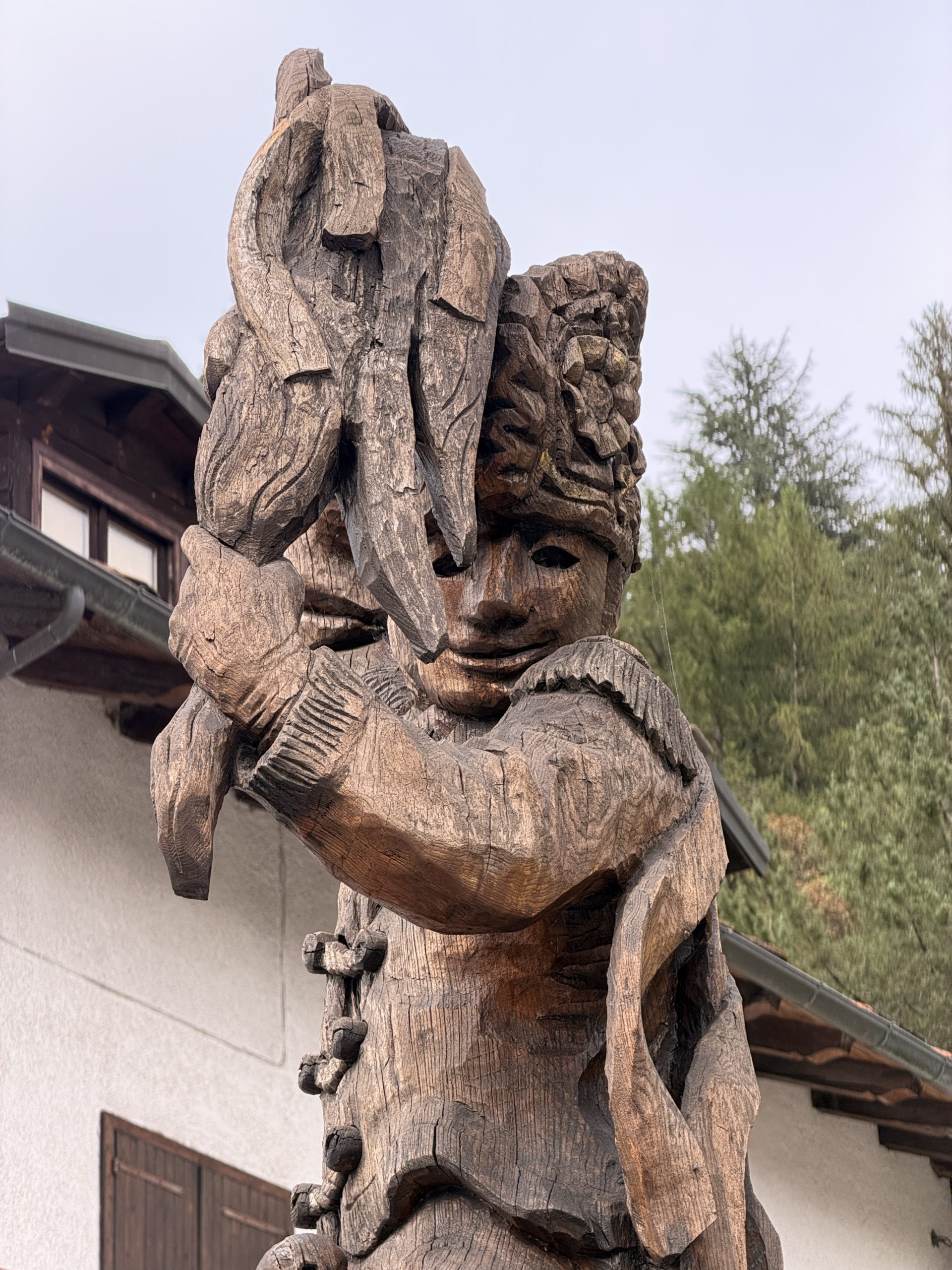
The first open-air museum in the Aosta Valley: a permanent contemporary art exhibition winding through the stone-paved alleys of the medieval village.
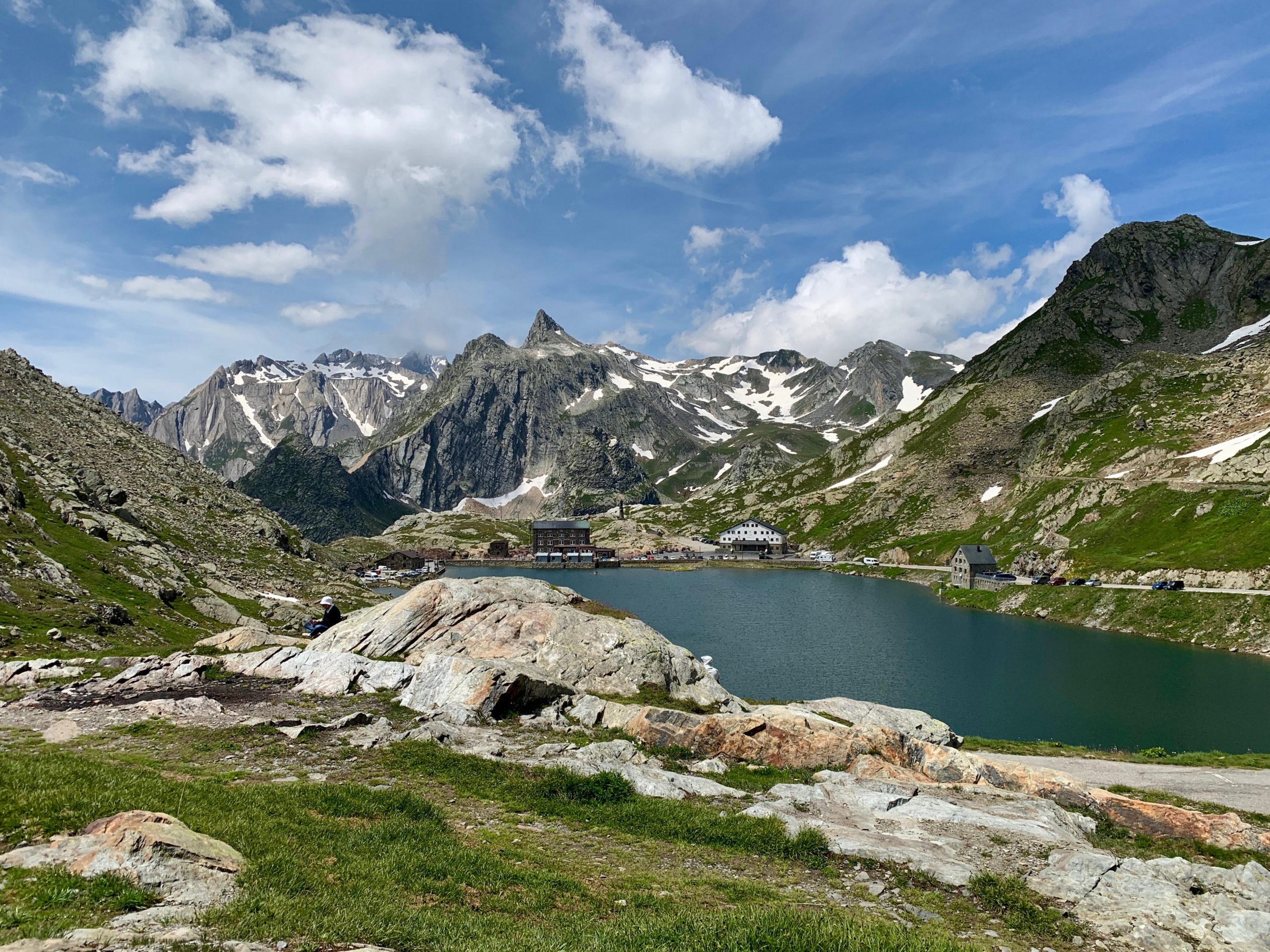
At an elevation of 2,473 meters, the historic mountain pass between Italy and Switzerland: the thousand-year-old hospice dating back to 1050, the alpine lake, the museum, and the statue of St. Bernard.