
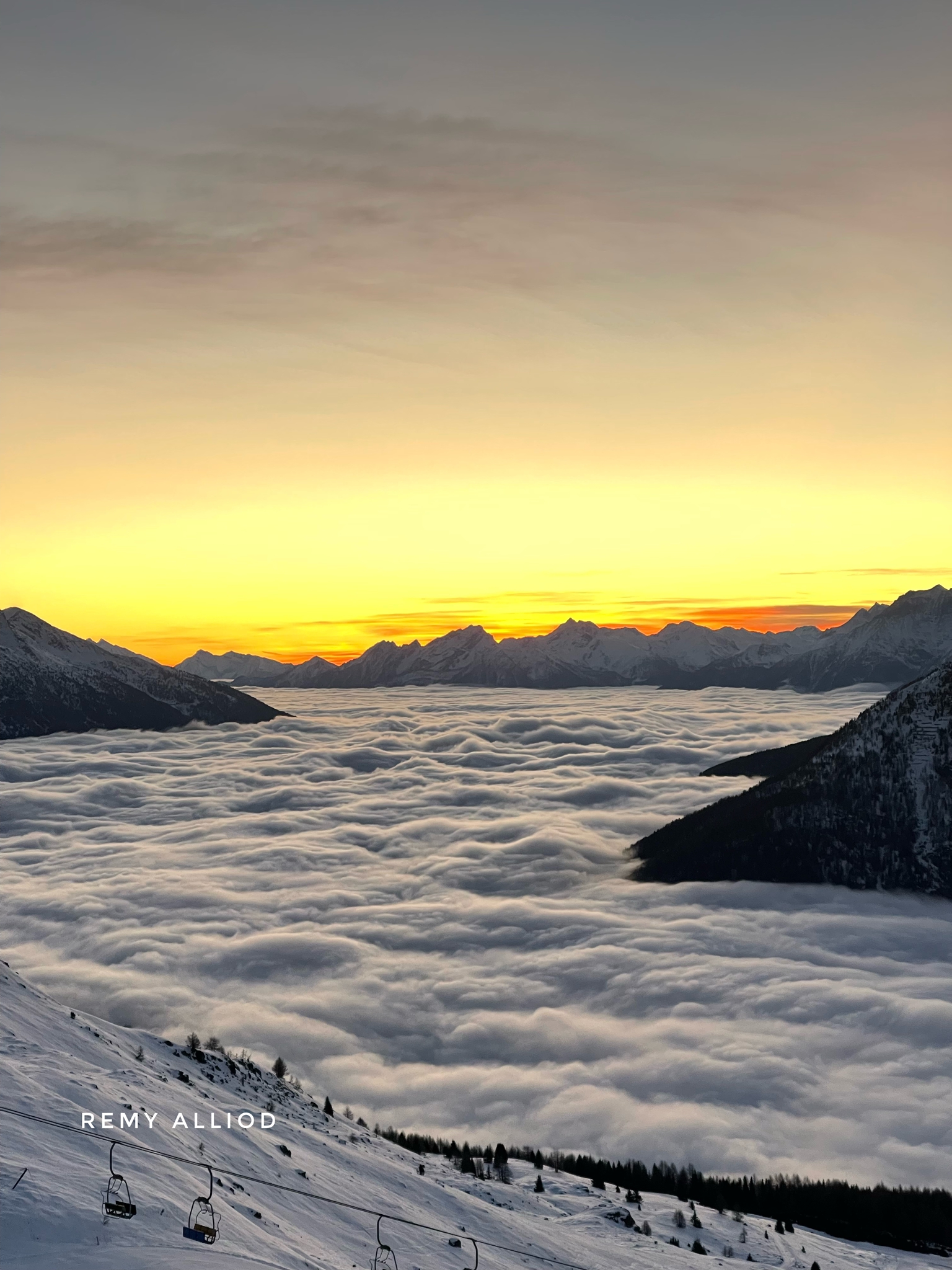
Webcam
Live images from the villages, the slopes of Crévacol, Flassin, and the Great St. Bernard Pass at an elevation of 2,473 meters.
At an elevation of 2,473 meters, the historic mountain pass between Italy and Switzerland: the thousand-year-old hospice dating back to 1050, the alpine lake, the museum, and the statue of St. Bernard.
Located at an elevation of 2,473 meters at the end of State Road 27, the Great St. Bernard Pass is one of the most famous mountain passes in Alpine history. Used since the Bronze Age and established as a Roman military route (Summus Poeninus), the pass is the spiritual heart of the Via Francigena.
The scenic road over the pass is open to traffic from June through October (depending on snow conditions).
Reach the pass by car, motorcycle, or on foot along the historic Via Francigena trail.
Live images from the villages, the slopes of Crévacol, Flassin, and the Great St. Bernard Pass at an elevation of 2,473 meters.
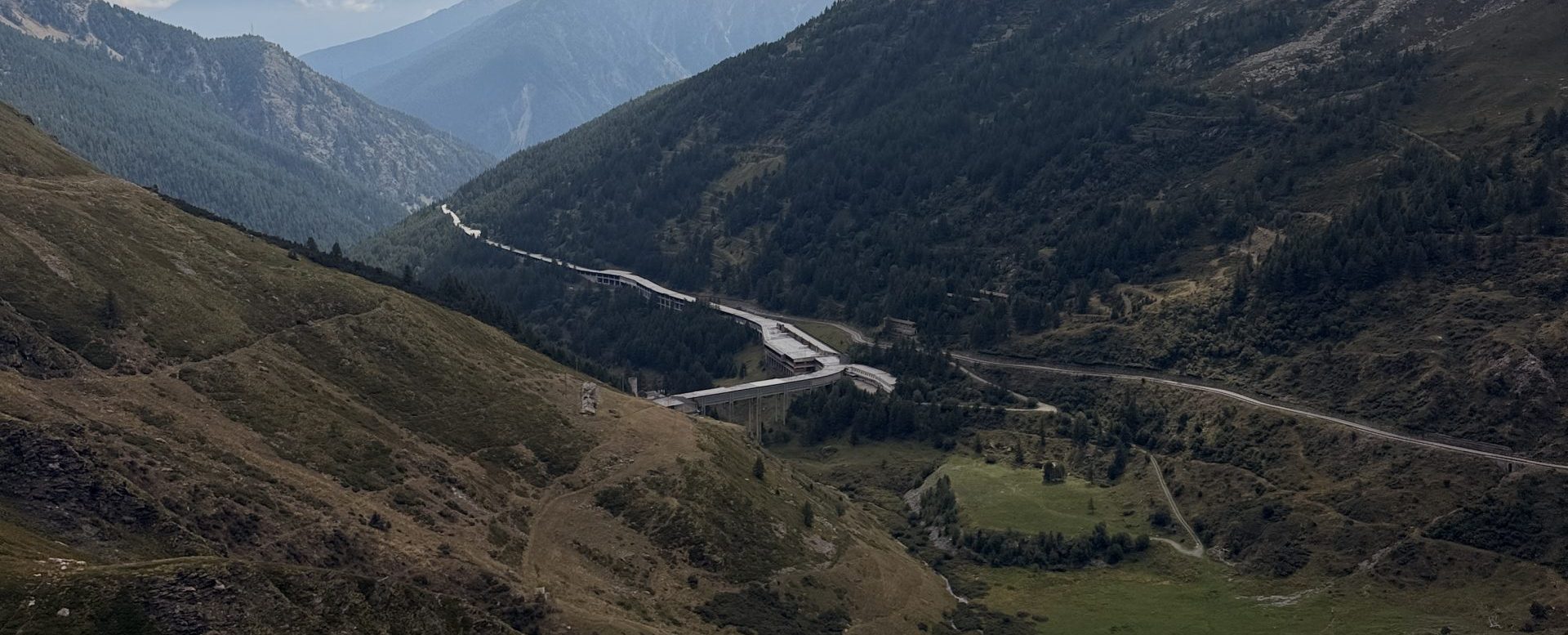
The Great St. Bernard Valley lies in the heart of the Western Alps: the road connecting Italy and Switzerland via the Great St. Bernard Pass. The area is easily accessible from major urban centers
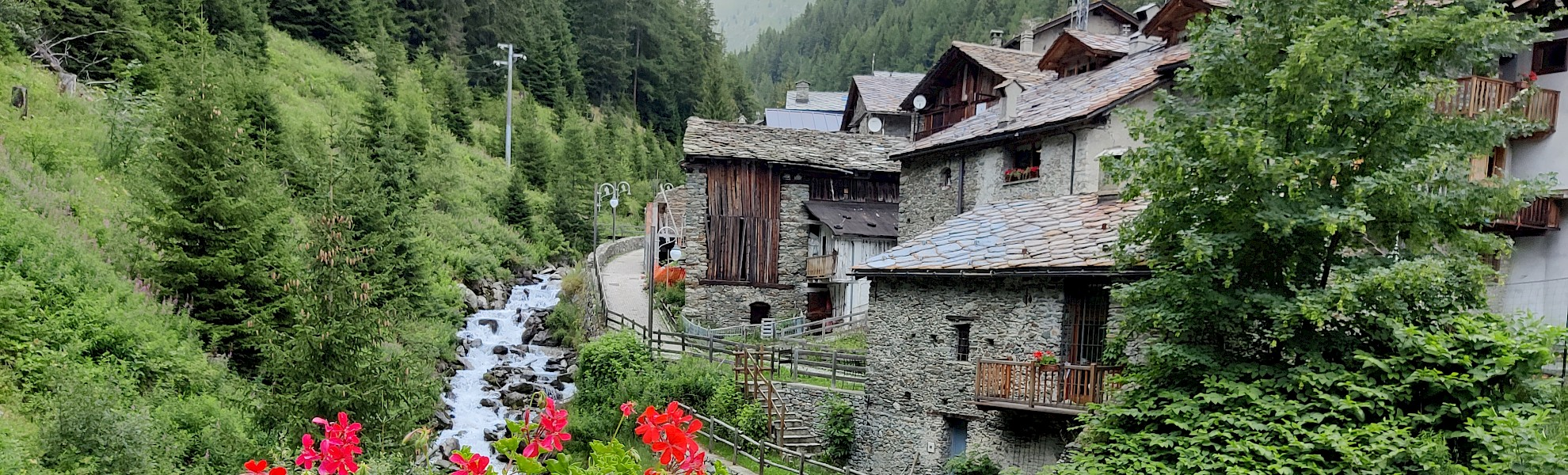
At 1,632 meters, the last village before the pass: the story of the Marronniers and the Soldats de la neige, the medieval Castle, the Jambon de Bosses DOP, and skiing at Crévacol.
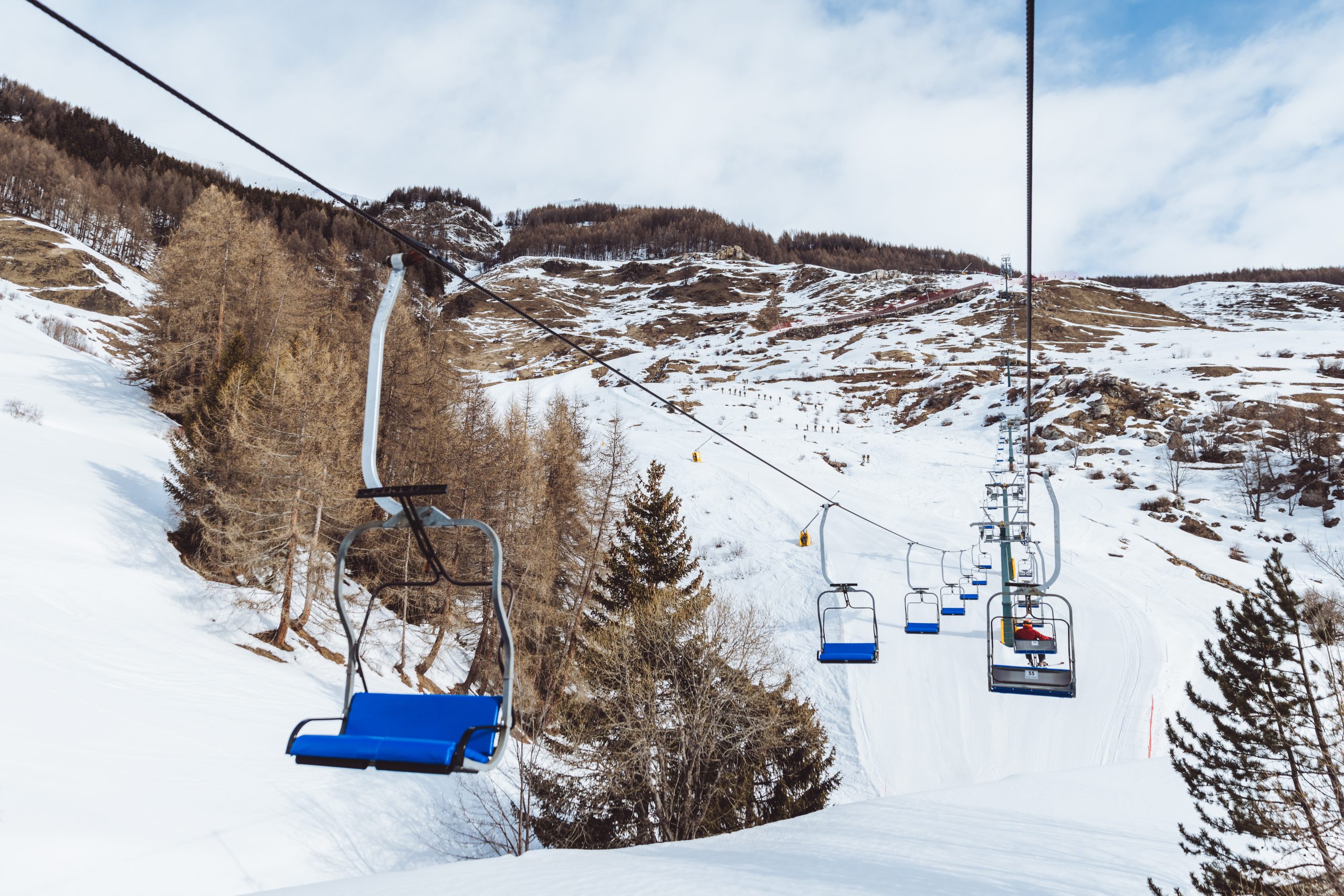
22 km of south-facing ski slopes, a paradise for ski mountaineering, and a stop along the Via Francigena and the Alta Via 1.